
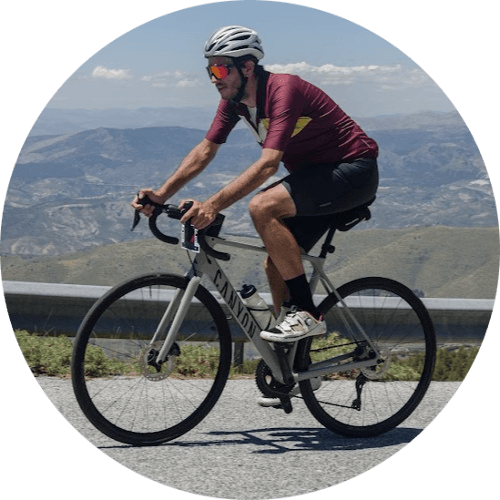
There are climbs, and then there are climbs. The ones that break you through sheer gradient. The ones that grind you down over 30+ kilometers. The ones where altitude steals your oxygen, or cobblestones rattle your bones, or Atlantic storms batter you sideways. These are some of Europe's most brutal cycling roads - climbs that push the boundaries of what's physically and mentally possible on a bicycle.
Difficulty in cycling isn't just about gradient - it's the complete package. A 30% ramp for 600 meters demands explosive power. A 7% average for 25 kilometers at 2,500 meters altitude is a war of attrition against thin air. Wet cobblestones at 20% test bike handling as much as legs. The climbs in this list represent every way a road can defeat you: savage gradients, punishing length, lung-crushing altitude, treacherous surfaces, and brutal conditions.
From the infamous Grand Tour monsters to hidden gems that only locals know, here are 50 climbs that make hardened pros suffer and amateur cyclists question their life choices. Think of it as cycling's naughty list - except instead of missing out on presents, you get a free helping of lactic acid, type-2 fun, and the occasional existential crisis near the summit. Whether you see these as bucket list goals or cautionary tales is entirely up to you.
Full disclosure: I haven't ridden all of these myself -yet. A good chunk of this list is built from research, race footage, forum threads, and the first-hand accounts of cyclists who have suffered on these roads so I could write about them with a straight face. If you've ridden one (or survived one) and think the ranking is off, I'd love to hear about it.
The extreme stats of Europe's hardest climbs
Gradient alone doesn't tell the story. Length, altitude, elevation gain, road surface, and weather all contribute to a climb's difficulty. Some climbs have such crazy statistics that it may be hard to believe. But the numbers are real.
 Mont Ventoux
 Passo dello Stelvio
 Flemish Cobbles
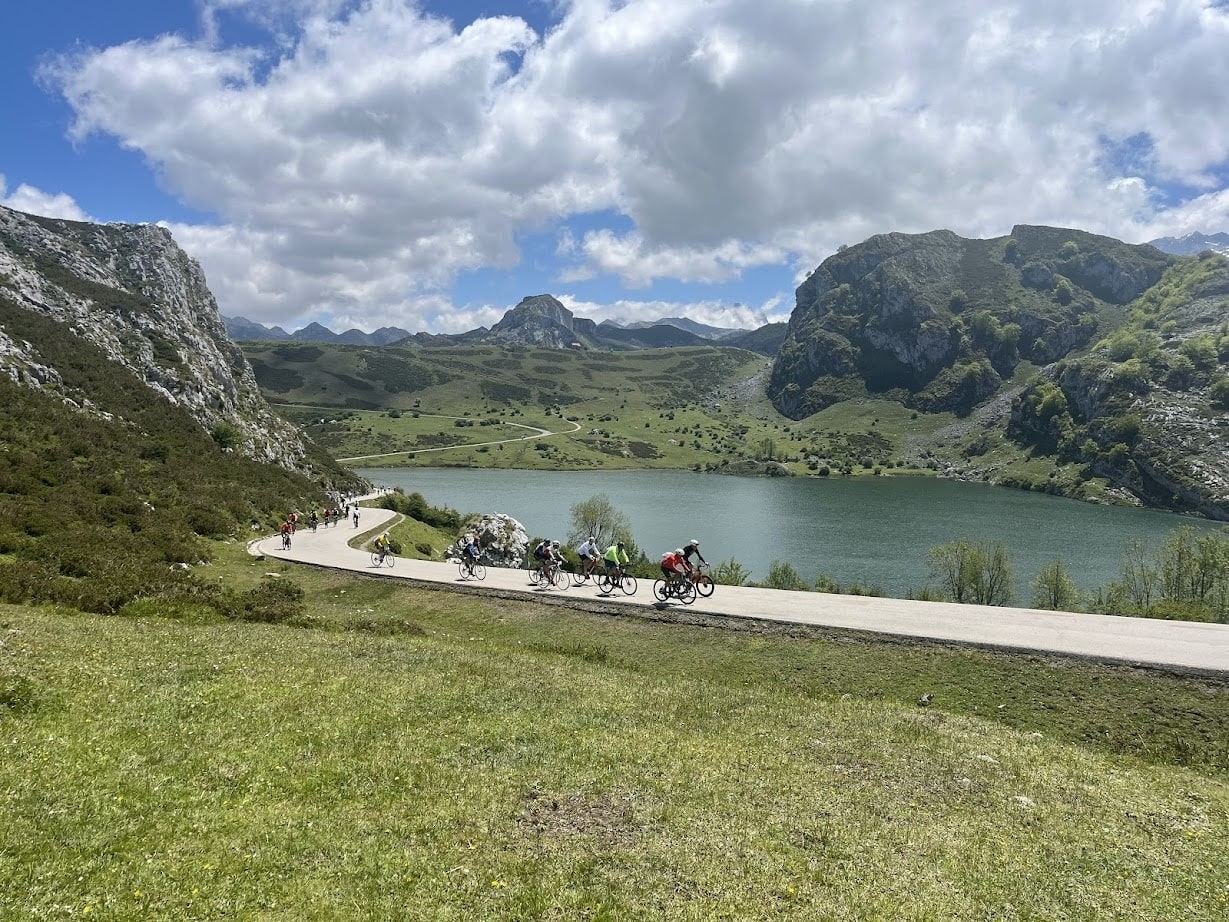 Asturias
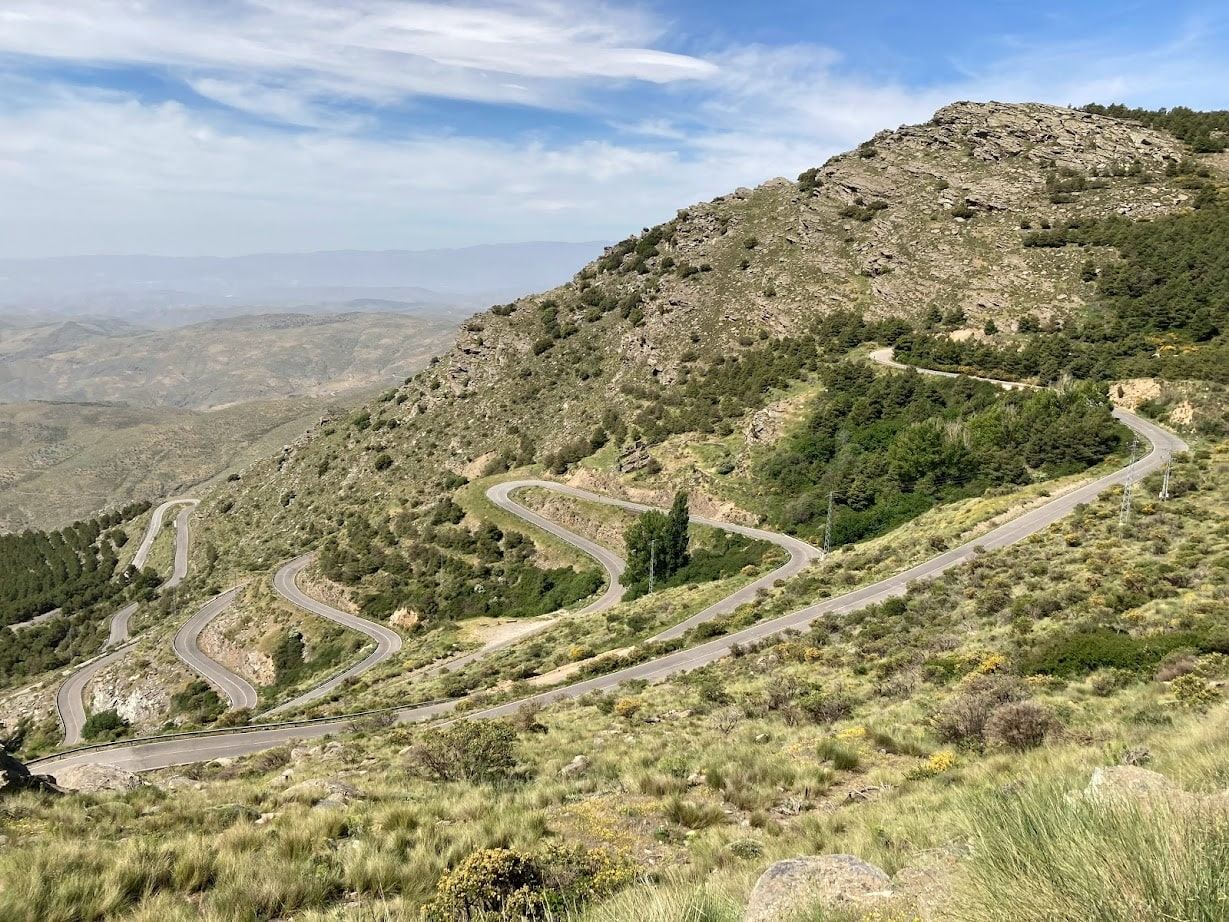 Velefique
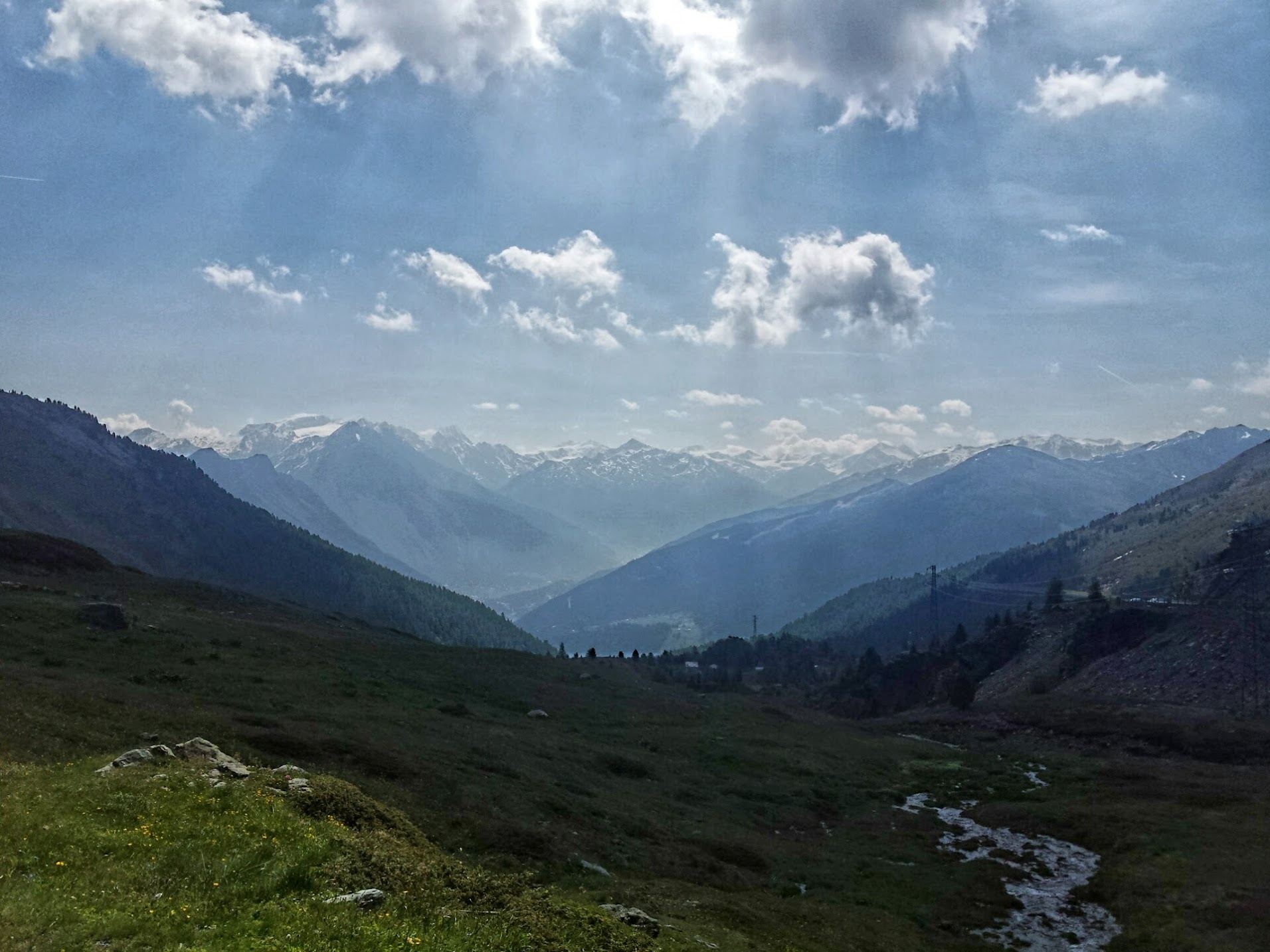 Passo Gavia
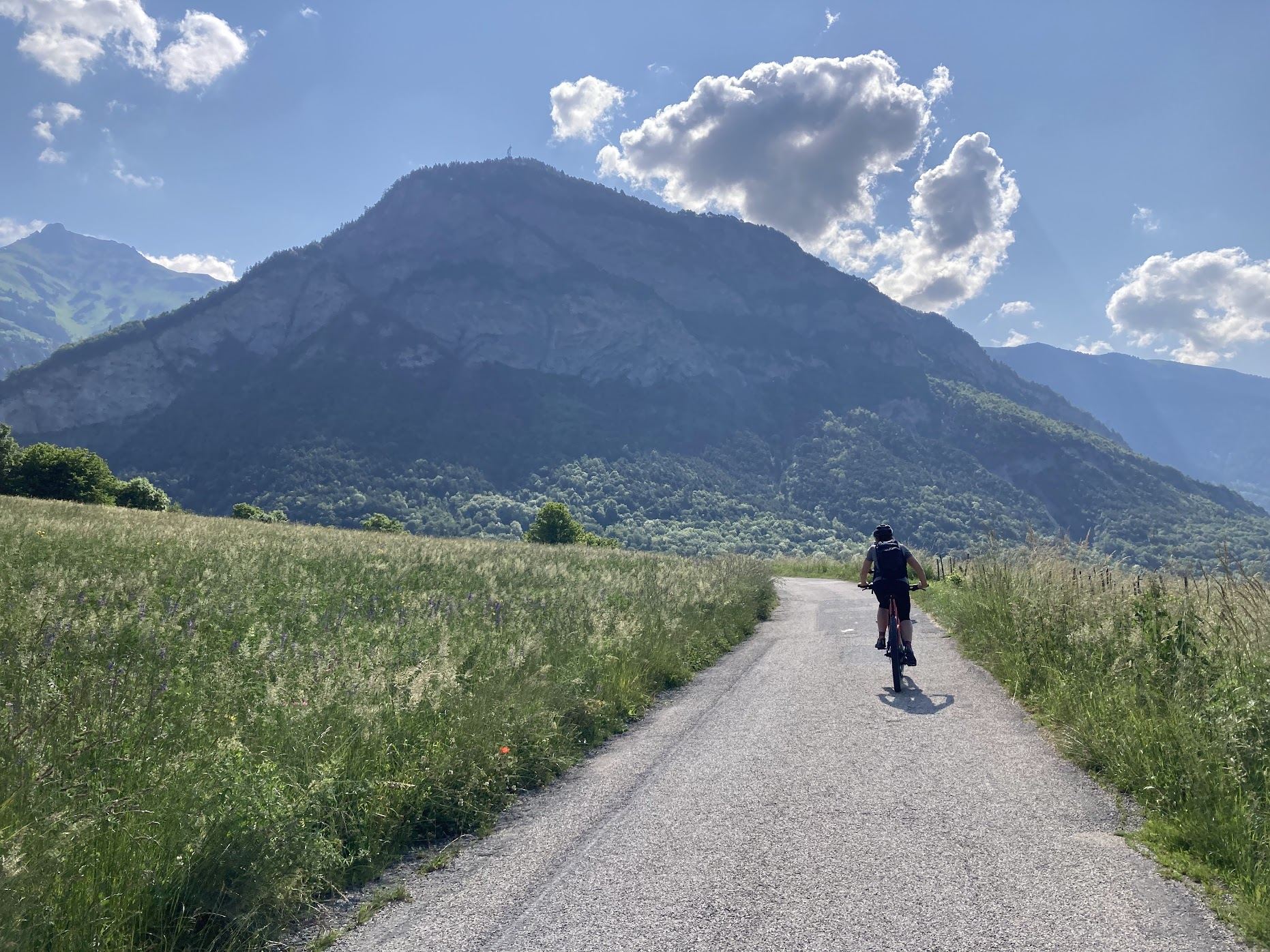 French Alps
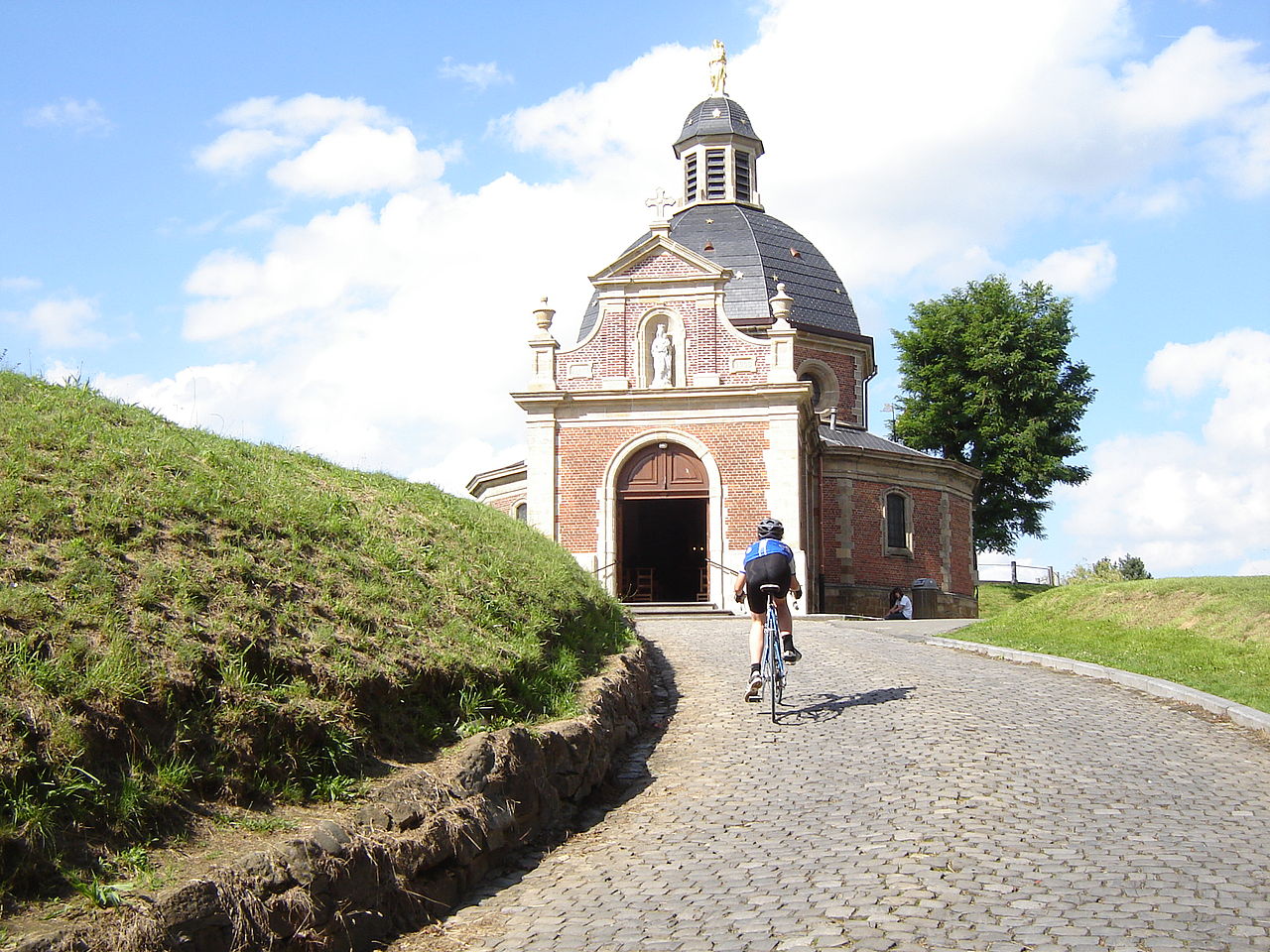 Geraardsbergen
From Provencal moonscapes to Italian switchbacks and Belgian cobbles - Europe's climbs offer every kind of suffering.
A note on rankings: There's no definitive way to rank climbs. A 30% cobbled wall destroys you differently than a 40km alpine grind at altitude. We created a Brutality Score that weighs gradient, length, elevation, fame, and "special sauce" factors - but it's still subjective.
There are thousands of brutal climbs across Europe that will never make any list. The 11% average road near my house that ramps to 20%, has terrible tarmac, leads nowhere, and turns into a dirt track? That's as "hard" as anything here - it's just that nobody's heard of it. Your local leg-breaker is just as valid.
Where they are
The 50 climbs
Ordered by Brutality Score - combining gradient, length, elevation gain, fame, and special factors. Click any climb to jump to its full description.
| # | Climb | Country | Length | Avg | Max | Brutality Score |
|---|---|---|---|---|---|---|
| 1 | Scanuppia | Italy | 7.4 km | 18.5% | 36% | 226 |
| 2 | Pozza San Glisente | Italy | 8.3 km | 17.5% | 35% | 210 |
| 3 | Llano de las Ánimas | Spain | 10 km | 15.2% | 30% | 196 |
| 4 | Passo della Forcella | Italy | 9.2 km | 14.4% | 28% | 187 |
| 5 | Nebelhorn | Germany | 7.3 km | 15.1% | 31% | 181 |
| 6 | Hardknott Pass | England | 2.2 km | 13.5% | 33% | 179 |
| 7 | Alpe Fuori | Italy | 11.8 km | 13.7% | 30% | 179 |
| 8 | Muro di Sormano | Italy | 1.9 km | 15.8% | 27% | 175 |
| 9 | Alto de l'Angliru | Spain | 12.5 km | 10.1% | 24% | 174 |
| 10 | Mirador de Ézaro | Spain | 1.9 km | 14.8% | 30% | 173 |
| 11 | Monte Zoncolan | Italy | 10.1 km | 11.9% | 22% | 173 |
| 12 | Colle delle Finestre | Italy | 18.5 km | 9.2% | 17% | 169 |
| 13 | Koppenberg | Belgium | 0.6 km | 11.6% | 22% | 161 |
| 14 | Pico del Veleta | Spain | 44 km | 6.1% | 15% | 161 |
| 15 | Kitzbüheler Horn | Austria | 10.1 km | 12.4% | 22% | 159 |
| 16 | Mont Ventoux | France | 21.8 km | 7.4% | 12% | 159 |
| 17 | Col de la Loze | France | 21.5 km | 7.7% | 24% | 157 |
| 18 | Passo del Mortirolo | Italy | 12.4 km | 10.5% | 20% | 157 |
| 19 | Paterberg | Belgium | 0.4 km | 12.5% | 20% | 157 |
| 20 | Babadağ | Turkey | 18.9 km | 10.4% | 20% | 154 |
| 21 | Passo dello Stelvio | Italy | 24.3 km | 7.1% | 14% | 154 |
| 22 | Alto de los Machucos | Spain | 7.2 km | 8.7% | 28% | 152 |
| 23 | Passo di Gavia | Italy | 17.3 km | 7.9% | 16% | 152 |
| 24 | Pico Arieiro | Portugal | 18.5 km | 9.5% | 20% | 148 |
| 25 | Stalheimskleiva | Norway | 2.1 km | 12.2% | 25% | 148 |
| 26 | Xorret de Catí | Spain | 4 km | 11.1% | 24% | 146 |
| 27 | Bola del Mundo | Spain | 21.5 km | 6.5% | 22% | 145 |
| 28 | Muur van Geraardsbergen | Belgium | 1.1 km | 9.3% | 20% | 145 |
| 29 | Rettenbachferner | Austria | 12.5 km | 10.7% | 15% | 144 |
| 30 | Roque de los Muchachos | Spain | 36 km | 6.6% | 14% | 143 |
| 31 | Monte Crostis | Italy | 14.1 km | 10% | 19% | 140 |
| 32 | Mount Teide | Spain | 30 km | 5.5% | 10% | 140 |
| 33 | Alpe d'Huez | France | 13.8 km | 8.1% | 13% | 139 |
| 34 | Mur de Huy | Belgium | 1.3 km | 9.6% | 26% | 138 |
| 35 | Col du Tourmalet | France | 19 km | 7.4% | 10% | 137 |
| 36 | Col du Granon | France | 11.4 km | 9.2% | 13% | 136 |
| 37 | Tiefenbachferner | Austria | 12.1 km | 10.5% | 13% | 134 |
| 38 | Tre Cime di Lavaredo | Italy | 7.5 km | 8.1% | 18% | 134 |
| 39 | Sierra de la Pandera | Spain | 9.8 km | 8.7% | 21% | 134 |
| 40 | Alto de Gamoniteiro | Spain | 14.4 km | 9.4% | 18% | 133 |
| 41 | Col du Grand Colombier | France | 18.3 km | 6.7% | 22% | 133 |
| 42 | Kalin Dam | Bulgaria | 8.2 km | 11.3% | 22% | 132 |
| 43 | Passo Giau | Italy | 10 km | 9.3% | 14% | 131 |
| 44 | Col du Portet | France | 16 km | 8.1% | 15% | 131 |
| 45 | Col du Galibier | France | 18.2 km | 7% | 10% | 131 |
| 46 | Bwlch y Groes | Wales | 4.5 km | 8.8% | 25% | 130 |
| 47 | Mangartsko Sedlo | Slovenia | 12 km | 9.2% | 15% | 129 |
| 48 | San Luca | Italy | 1.9 km | 10.6% | 19% | 129 |
| 49 | Monte Grappa | Italy | 25.6 km | 6.4% | 16% | 128 |
| 50 | Passo Manghen | Italy | 23.3 km | 7.3% | 15% | 127 |
Average gradients above 10% highlighted in red. Maximum gradients above 25% in bold. Rankings consider the full picture: gradient, length, elevation gain, altitude, and road conditions.
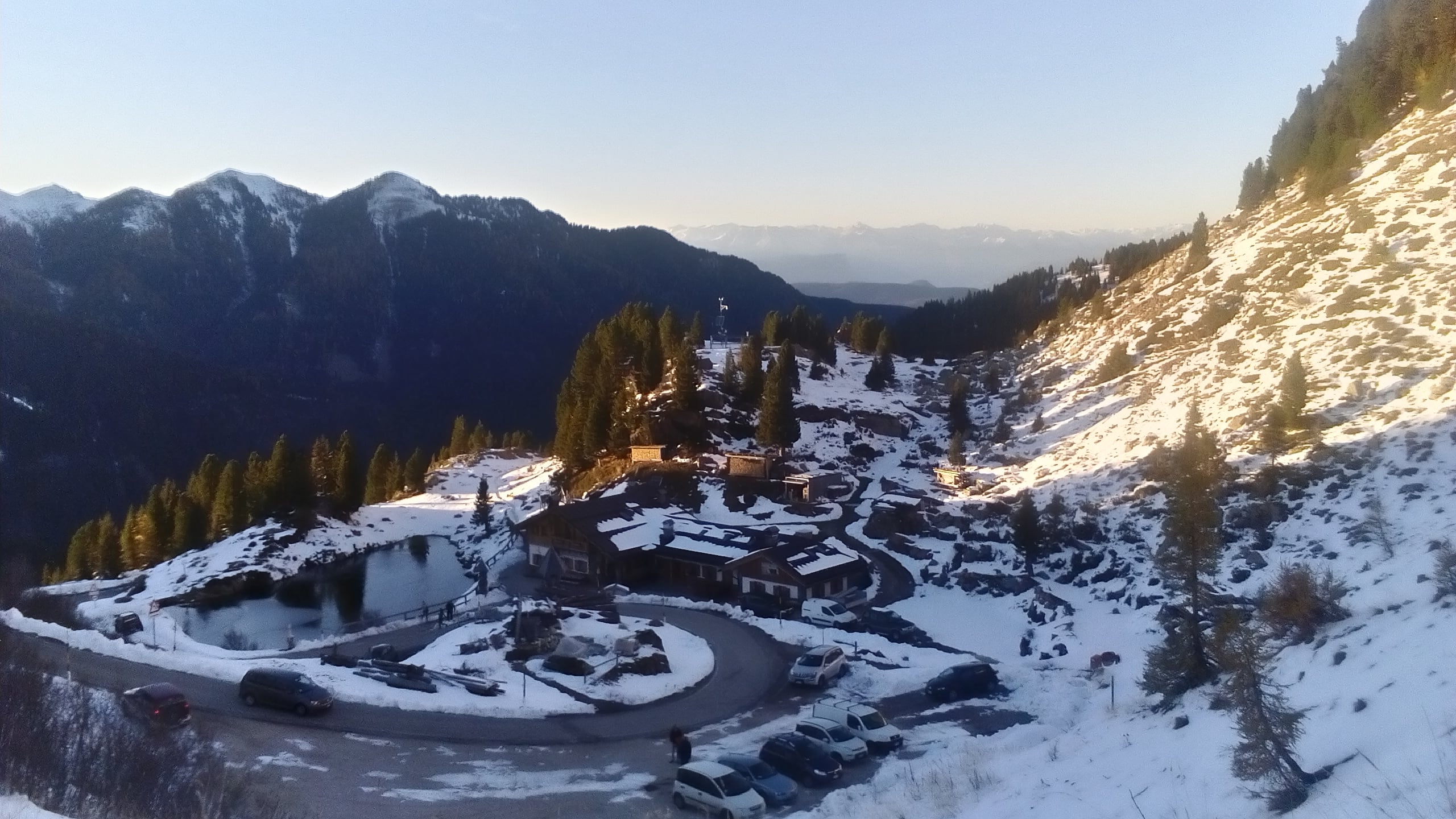
Passo Manghen
Italy · Trentino
- Length
- 23.3 km
- Avg
- 7.3%
- Max
- 15%
- Summit
- 2,047 m
- Gain
- +1,700 m
The Passo Manghen is one of the Dolomites' less-traveled gems, offering 23km of sustained climbing to 2,047 meters. The Giro d'Italia has used this as an alternative to the more famous passes.
The road is narrow and winding through alpine meadows and forest. The summit offers views across the Lagorai range - quieter and more peaceful than the famous passes to the north.
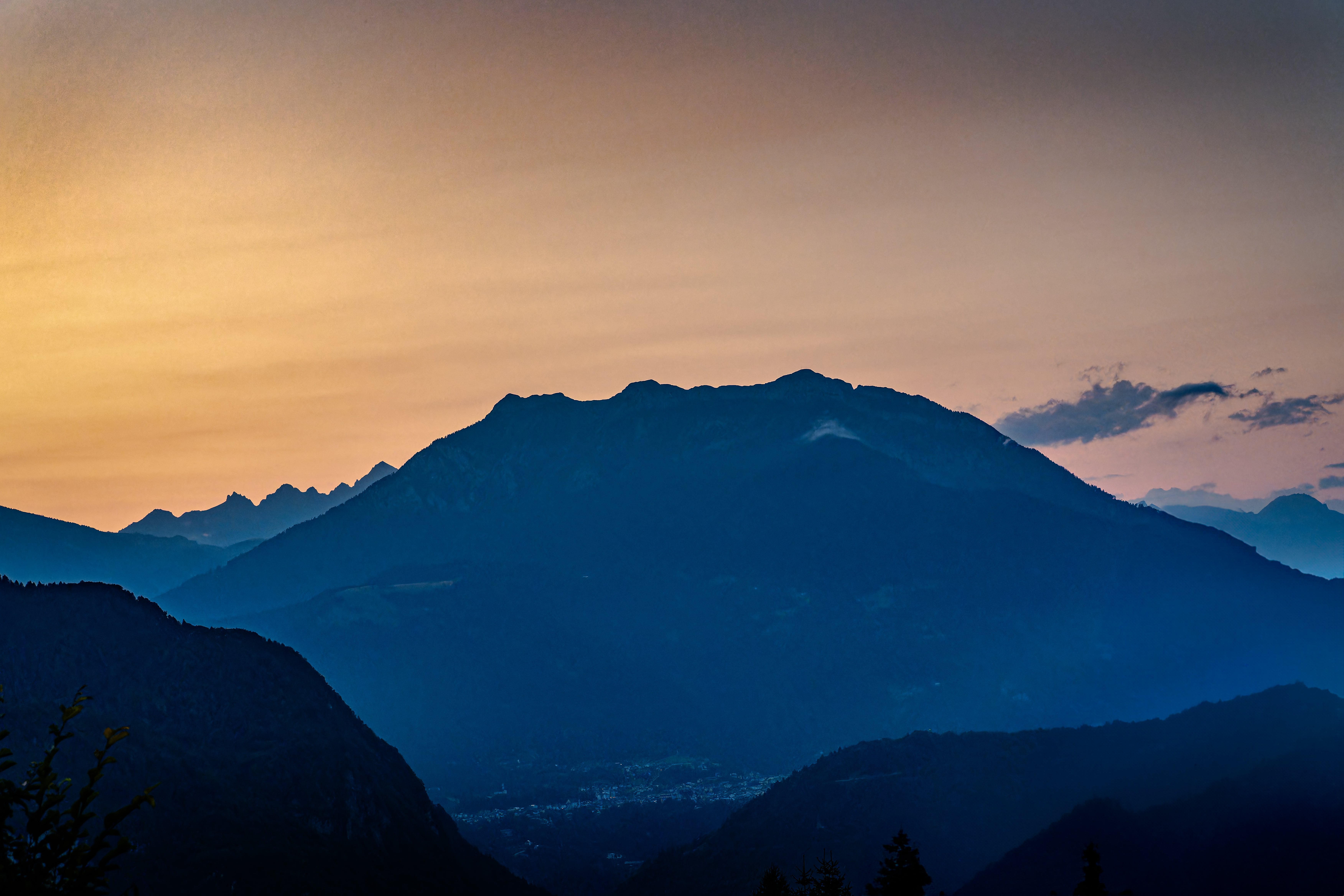
Monte Grappa
Italy · Veneto
- Length
- 25.6 km
- Avg
- 6.4%
- Max
- 16%
- Summit
- 1,775 m
- Gain
- +1,638 m
Monte Grappa rises between the Dolomites and the Venetian plain, its summit crowned by a massive World War I memorial. The 25.6km climb from Romano d'Ezzelino is a proper day's work.
Multiple routes approach the summit, each with different characteristics. The north side from Caupo is steeper but shorter. The WWI history adds a poignant dimension to the cycling challenge.
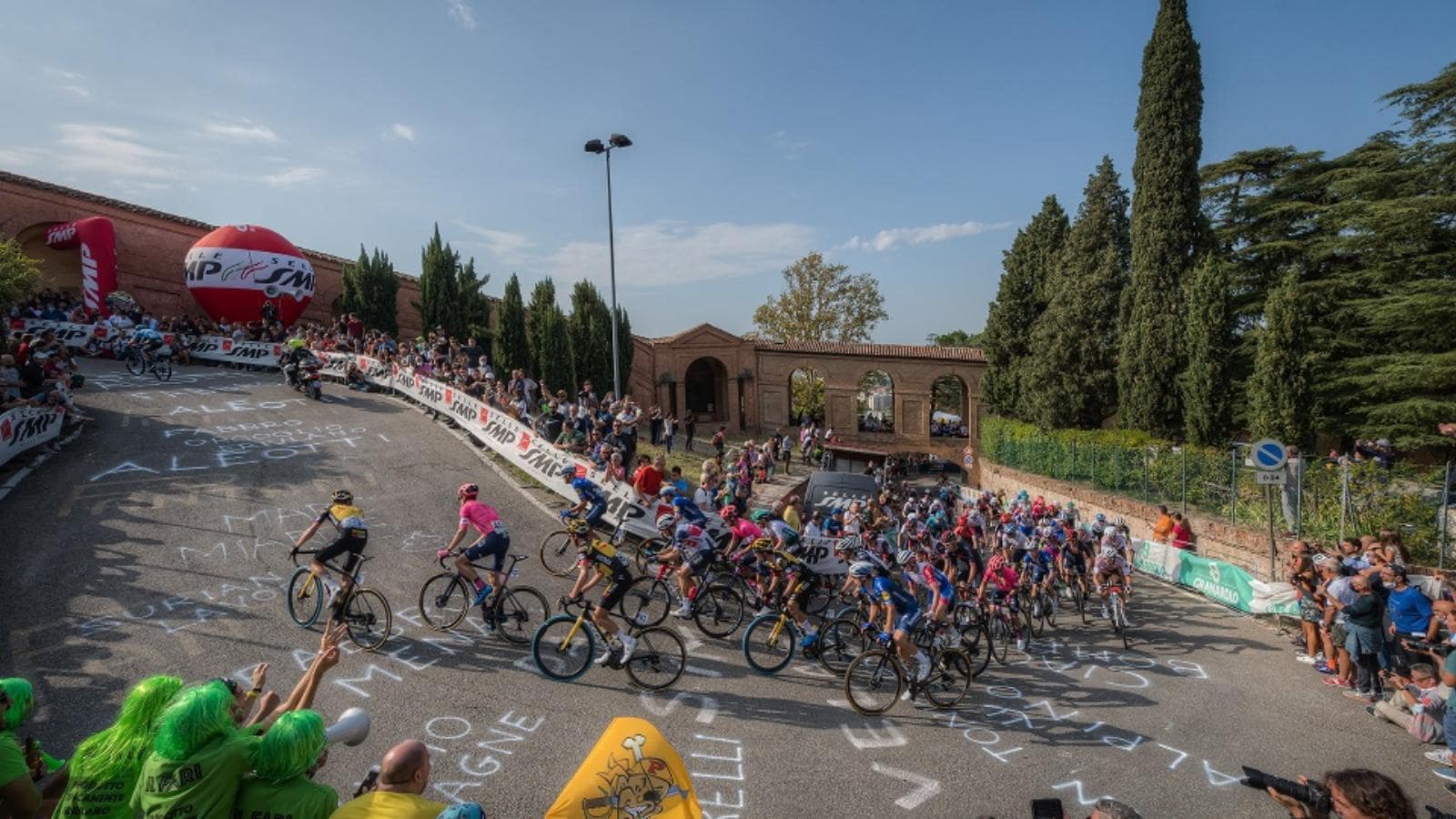
Bologna's iconic portico climb stretches almost 4km of covered arcades from the city to the Sanctuary of the Madonna di San Luca. The Giro dell'Emilia uses San Luca multiple times on its finishing circuit -and each lap feels harder than the last.
The 10.6% average with ramps to 19% is tough enough. Add the psychological weight of knowing you'll do it again, and San Luca becomes a proper examination. The porticos provide shade in summer but also create a tunnel effect that makes the gradient feel relentless. A Bologna rite of passage.
Mangartsko Sedlo
Slovenia · Julian Alps
- Length
- 12 km
- Avg
- 9.2%
- Max
- 15%
- Summit
- 2,072 m
- Gain
- +1,104 m
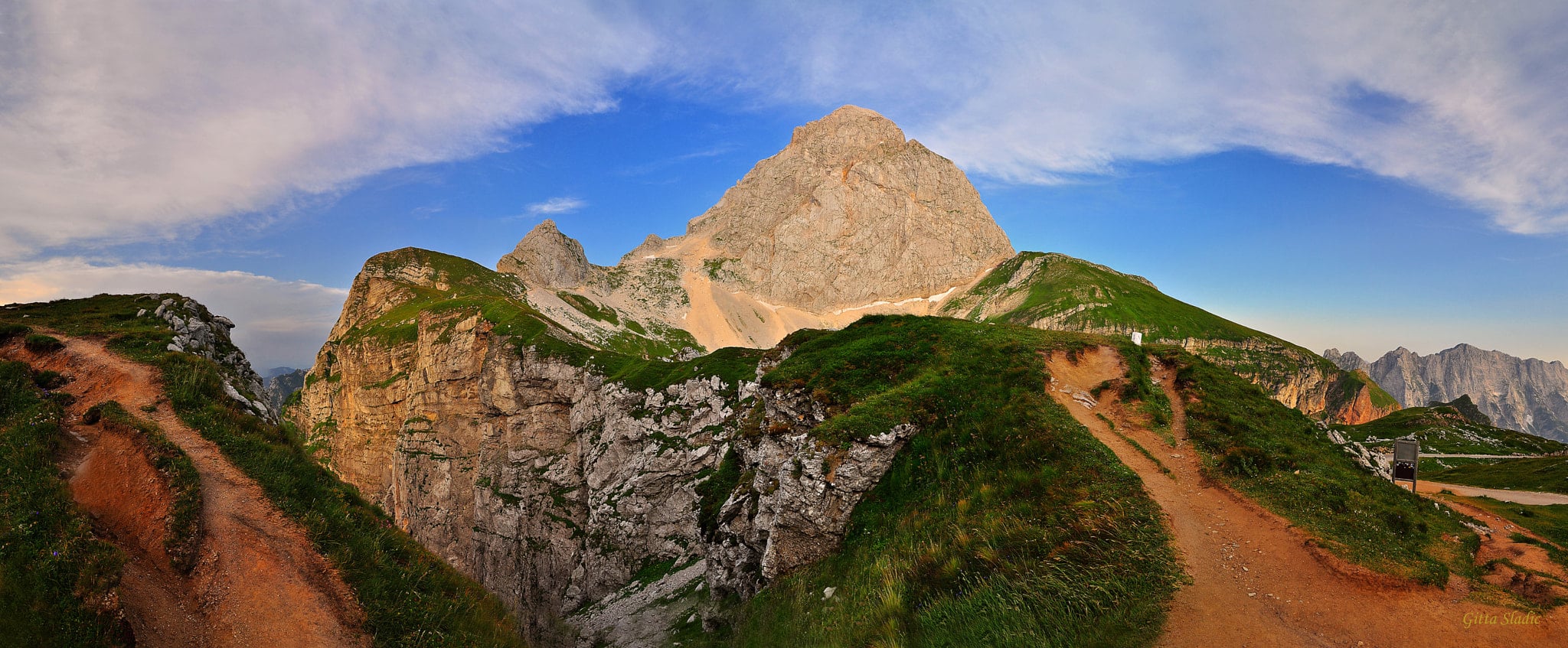
Mangartsko Sedlo is Slovenia's highest paved road, climbing to 2,072 meters with stunning views of the Julian Alps. The 9.2% average over 12km is sustained and honest.
The road was rebuilt after devastating floods and now offers excellent surfaces. The final approach to the saddle is spectacular, with Mangart's north face towering above.
Bwlch y Groes
Wales · Snowdonia
- Length
- 4.5 km
- Avg
- 8.8%
- Max
- 25%
- Summit
- 545 m
- Gain
- +396 m
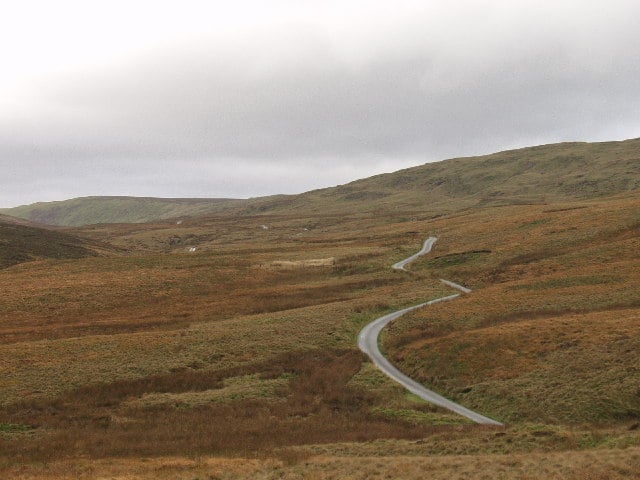
Bwlch y Groes - the 'Pass of the Cross' - is one of Wales's most feared climbs. The 25% maximum gradient section, known as the Hellfire Pass, is a genuine wall that has tested British cyclists for generations.
Located in the wild heart of Snowdonia, the weather can change rapidly and add significantly to the challenge. Rain, wind, and fog are common companions on this exposed mountain road.
Col du Galibier
France · French Alps (Savoie)
- Length
- 18.2 km
- Avg
- 7%
- Max
- 10%
- Summit
- 2,642 m
- Gain
- +1,274 m
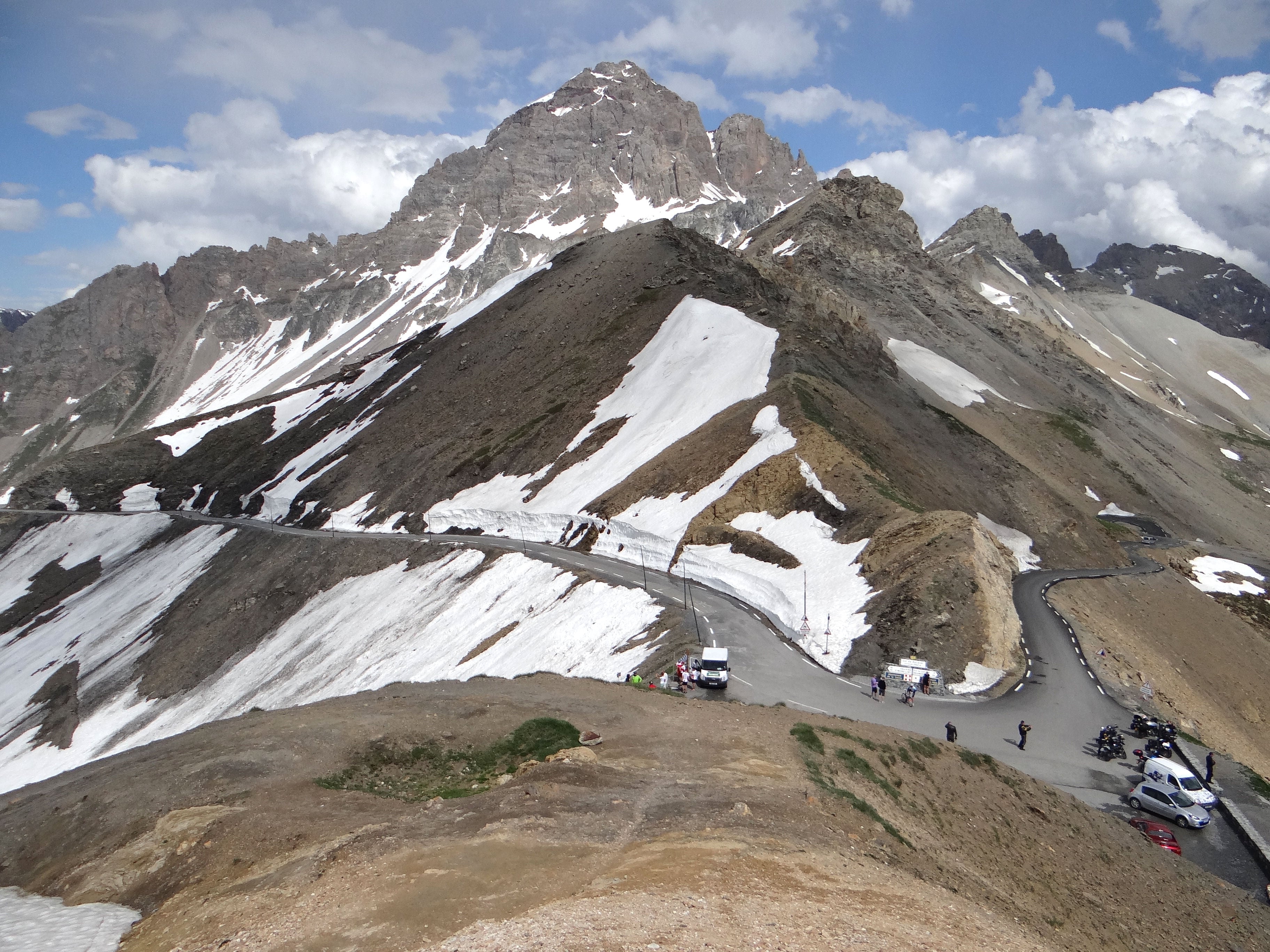
The Col du Galibier is one of the Tour de France's most storied climbs, crossing between Maurienne and Briançon at 2,642 meters. Combined with the Télégraphe, it creates one of cycling's great double ascents.
The statistics are relatively moderate - 7% average - but the length and altitude combine to create a massive challenge. The final kilometers above the tunnel are particularly exposed.
The monument to Tour founder Henri Desgrange near the summit reminds riders of the climb's place in cycling history. This is essential riding for any Tour de France enthusiast.
Col du Portet
France · Hautes-Pyrénées
- Length
- 16 km
- Avg
- 8.1%
- Max
- 15%
- Summit
- 2,215 m
- Gain
- +1,296 m
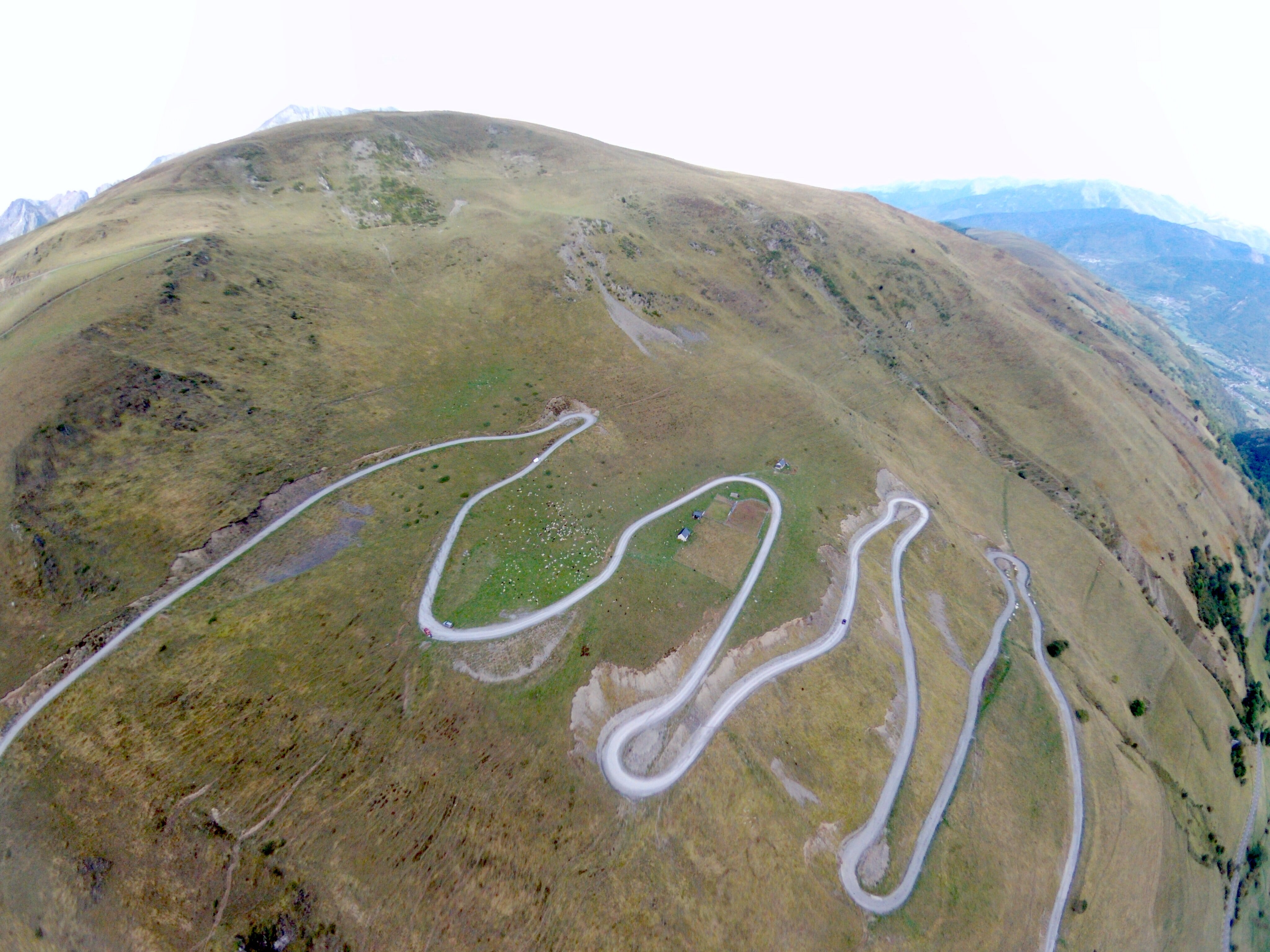
The Col du Portet is one of the Pyrenees' newer Tour de France discoveries, reaching 2,215 meters via a road originally built for ski resort access. The 8.1% average over 16km at altitude is demanding.
The thin air at the summit adds significantly to the challenge, and the exposed final kilometers can be brutal in bad weather. The Tour has already produced memorable battles here.
Passo Giau
Italy · Dolomites (Veneto)
- Length
- 10 km
- Avg
- 9.3%
- Max
- 14%
- Summit
- 2,236 m
- Gain
- +930 m
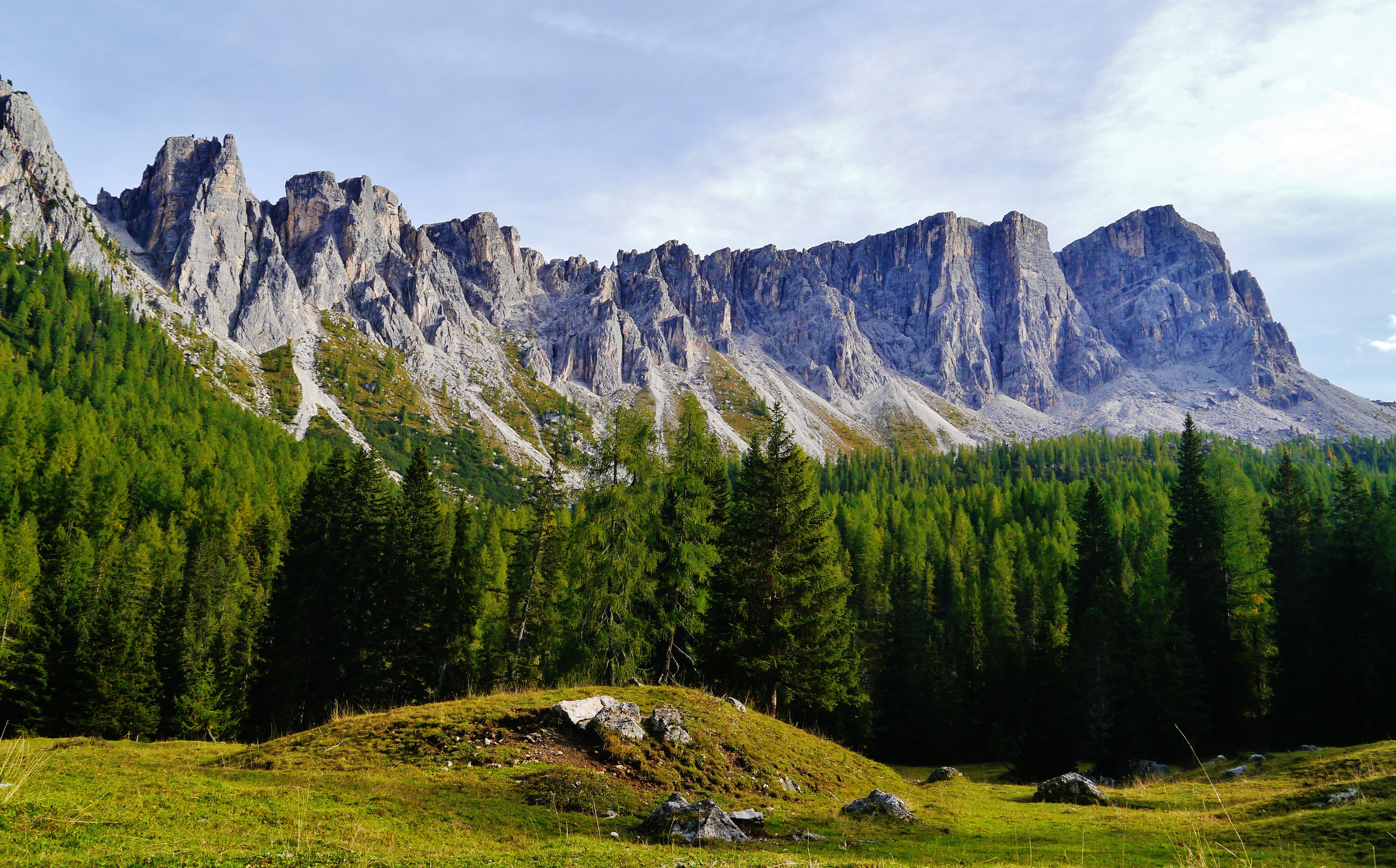
The Passo Giau is one of the Dolomites' most spectacular climbs, winding through some of the most dramatic mountain scenery on Earth. The 9.3% average over 10km is sustained and honest.
The final kilometers offer views of the Nuvolao, Averau, and other Dolomite peaks that rank among cycling's most beautiful. The Giro d'Italia regularly uses this as a key stage in its Dolomite stages.
Kalin Dam
Bulgaria · Rhodope Mountains
- Length
- 8.2 km
- Avg
- 11.3%
- Max
- 22%
- Summit
- 1,480 m
- Gain
- +927 m
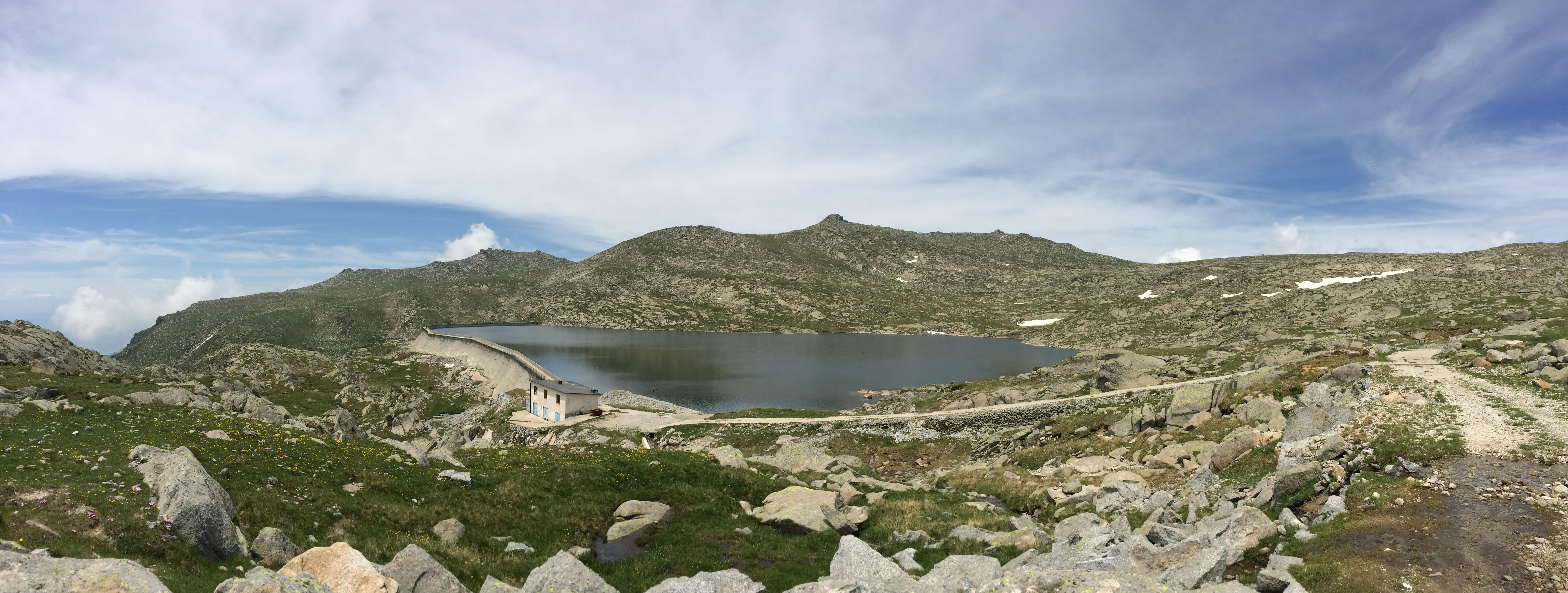
Hidden in Bulgaria's Rhodope Mountains, the road to Kalin Dam is one of Eastern Europe's toughest climbs. The 11.3% average over 8km with ramps to 22% would make this notable anywhere.
Few Western cyclists have discovered this climb, but those who venture here find excellent roads and dramatic mountain scenery. A genuine hidden gem for the adventurous cyclist.
Col du Grand Colombier
France · Ain (Jura)
- Length
- 18.3 km
- Avg
- 6.7%
- Max
- 22%
- Summit
- 1,501 m
- Gain
- +1,226 m
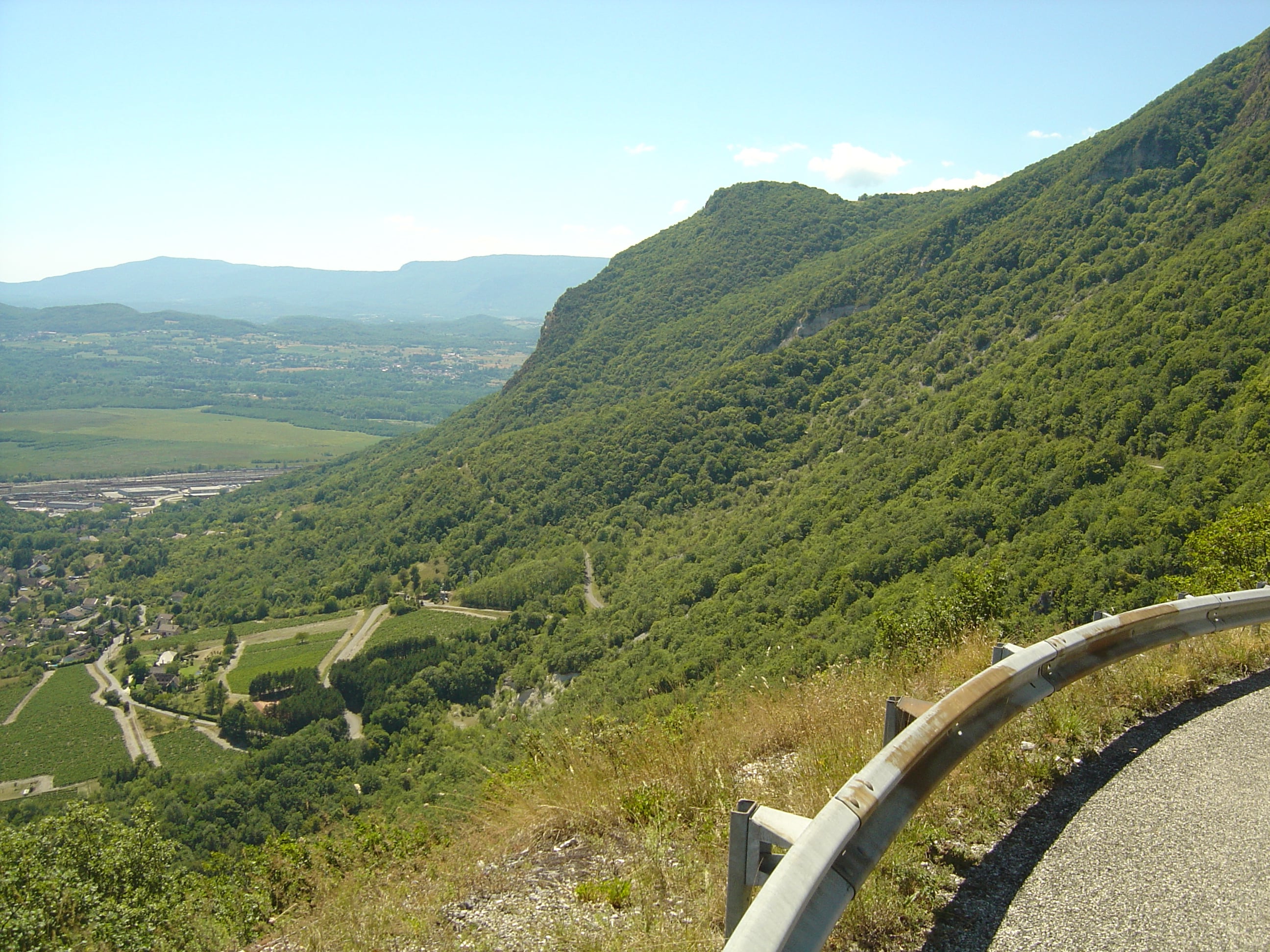
The Grand Colombier is the Jura's answer to the great Alpine climbs. With approaches from four directions, each with its own character, it offers variety rare in European climbing.
The short route from Artemare via Virieu-le-Petit features the steepest ramps, hitting 22% through dense forest; the Culoz side is a longer, more tempered ascent at around 7% average. The Tour de France has featured this climb in recent years, always producing dramatic racing.
Alto de Gamoniteiro
Spain · Asturias
- Length
- 14.4 km
- Avg
- 9.4%
- Max
- 18%
- Summit
- 1,770 m
- Gain
- +1,353 m
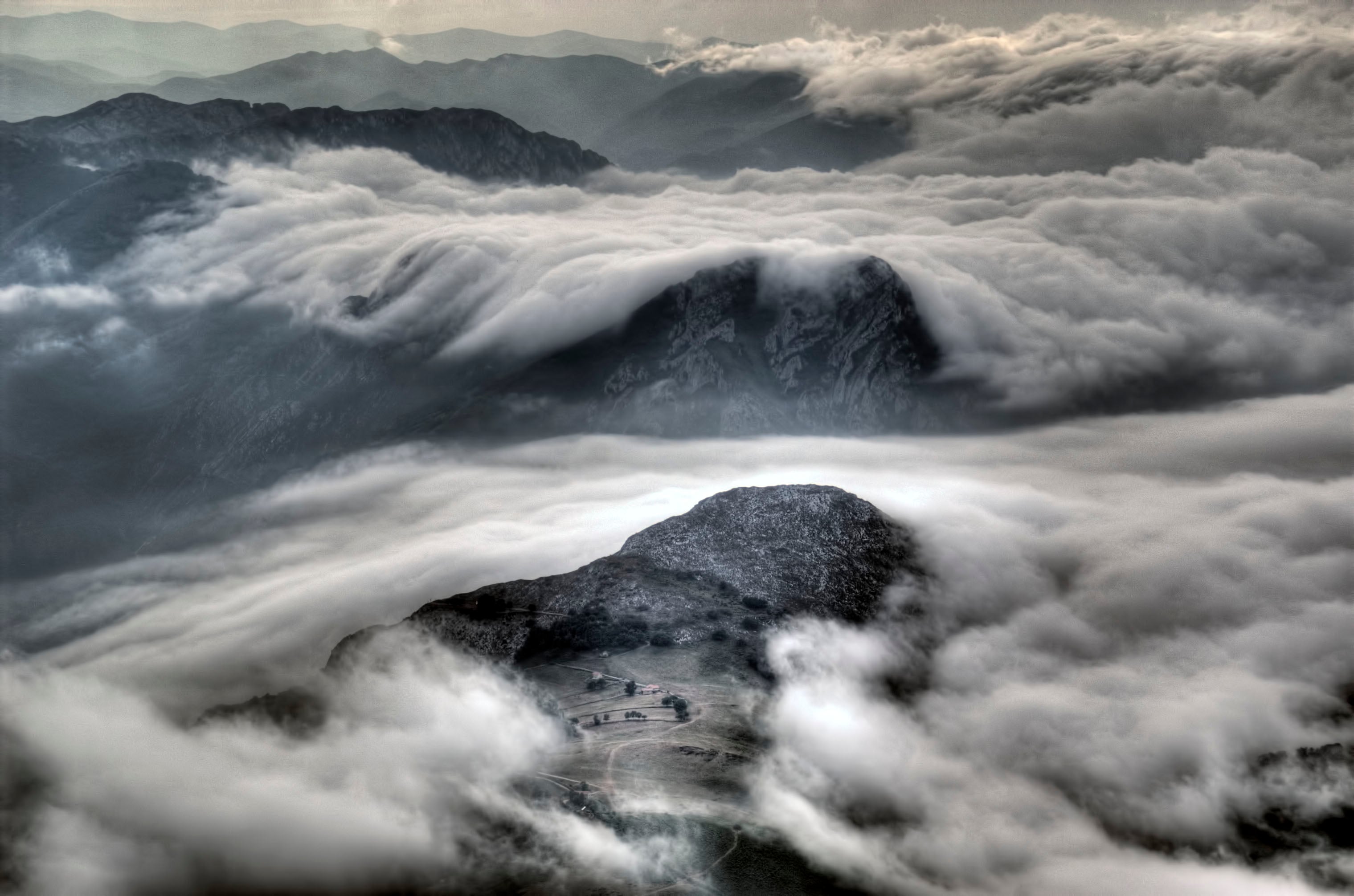
The Gamoniteiro is one of Asturias' newer additions to the professional racing calendar, but it's quickly earned a fearsome reputation. The 9.4% average over 14km with sections up to 18% makes it a genuine challenge.
The road was only paved recently, creating a pristine surface for suffering. The Vuelta a España has already visited, and it won't be the last time.
Sierra de la Pandera
Spain · Jaén province, Andalusia
- Length
- 9.8 km
- Avg
- 8.7%
- Max
- 21%
- Summit
- 1,830 m
- Gain
- +853 m
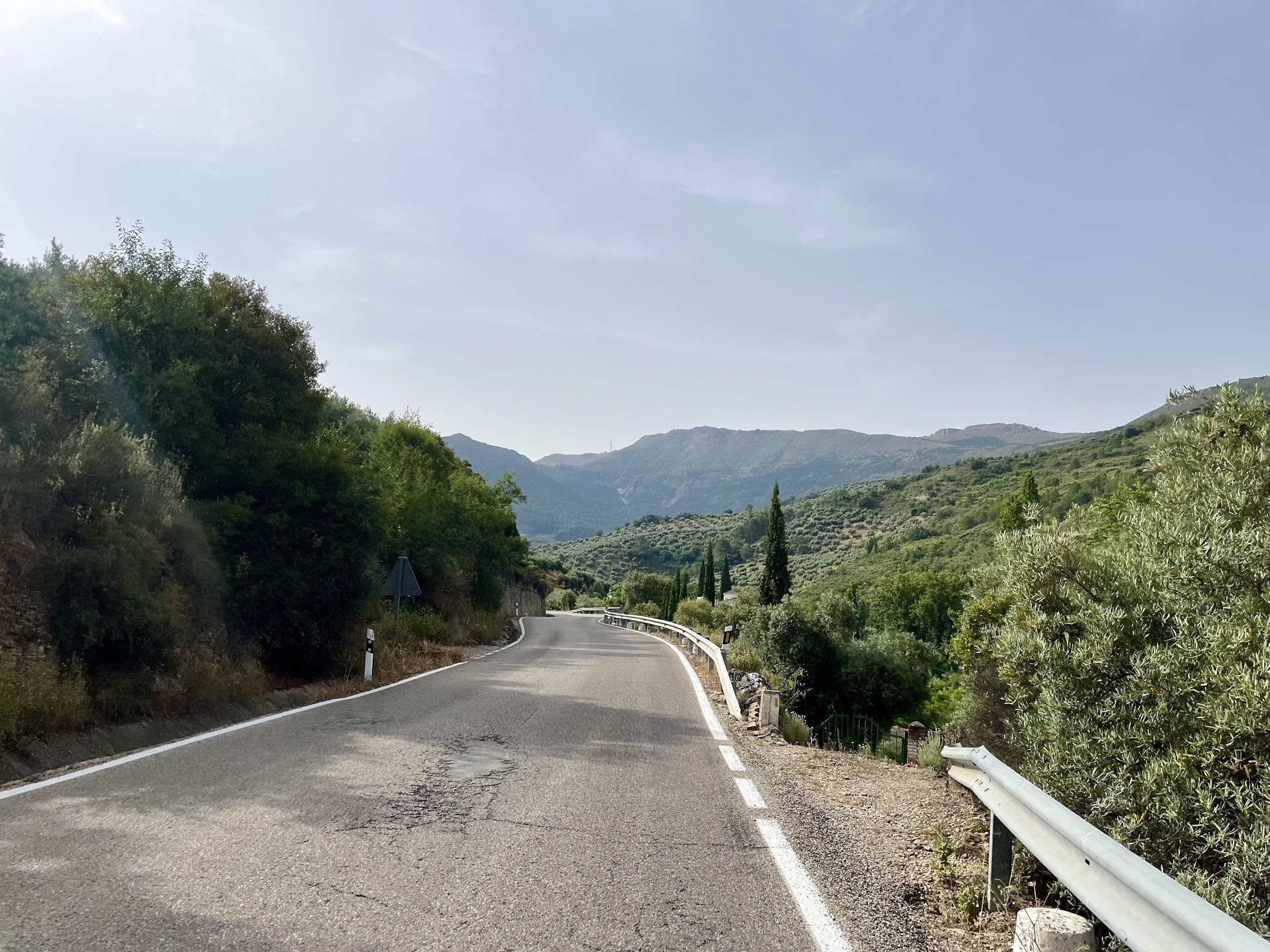
Vuelta a España summit finish with a fearsome reputation. The 8.7% average over 10km is tough, but the final 3km averaging over 12% -with ramps to 21% -have broken many riders in the Spanish heat.
The Pandera sits in Jaén province, where summer temperatures regularly exceed 35°C. The combination of gradient and heat is brutal. The Vuelta has used this climb to create decisive moments; amateur cyclists should start early and carry plenty of water.
Tre Cime di Lavaredo
Italy · Dolomites, South Tyrol
- Length
- 7.5 km
- Avg
- 8.1%
- Max
- 18%
- Summit
- 2,320 m
- Gain
- +1,057 m
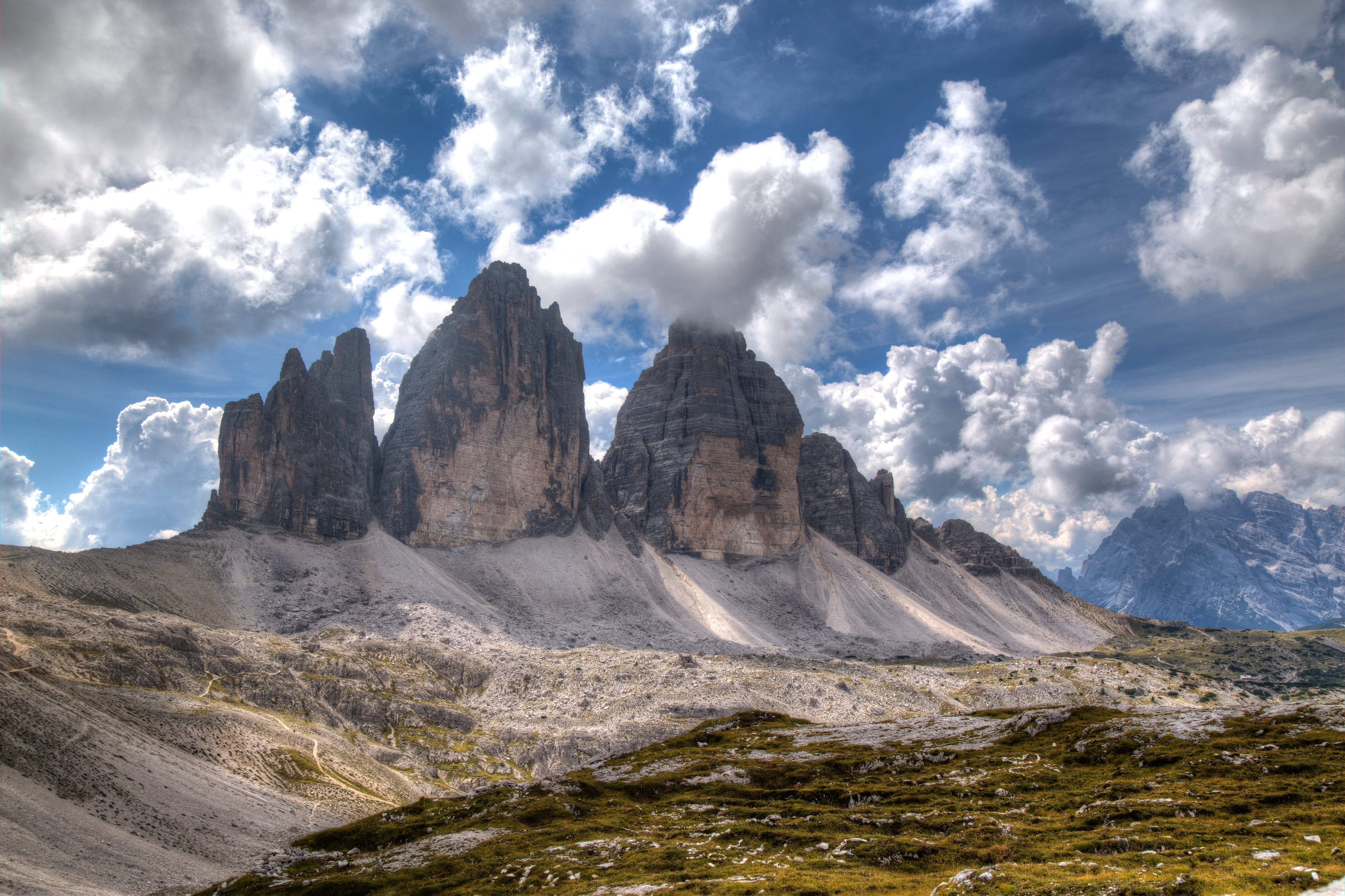
The road to the Three Peaks of Lavaredo is a Giro d'Italia finale that delivers drama from start to finish. The 7.5km climb gains over 1,000m beneath the iconic trio of limestone spires that dominate the Dolomite skyline.
The final kilometers are brutally exposed -no trees, no shelter, just you and the mountain. Gradients hit 18% on switchbacks that feel like they're carved into the rock itself. The toll road is open to cyclists (usually free or discounted), and the summit rewards with some of the most recognisable mountain views in cycling.
Tiefenbachferner
Austria · Tyrol (Ötztal)
- Length
- 12.1 km
- Avg
- 10.5%
- Max
- 13%
- Summit
- 2,829 m
- Gain
- +1,271 m
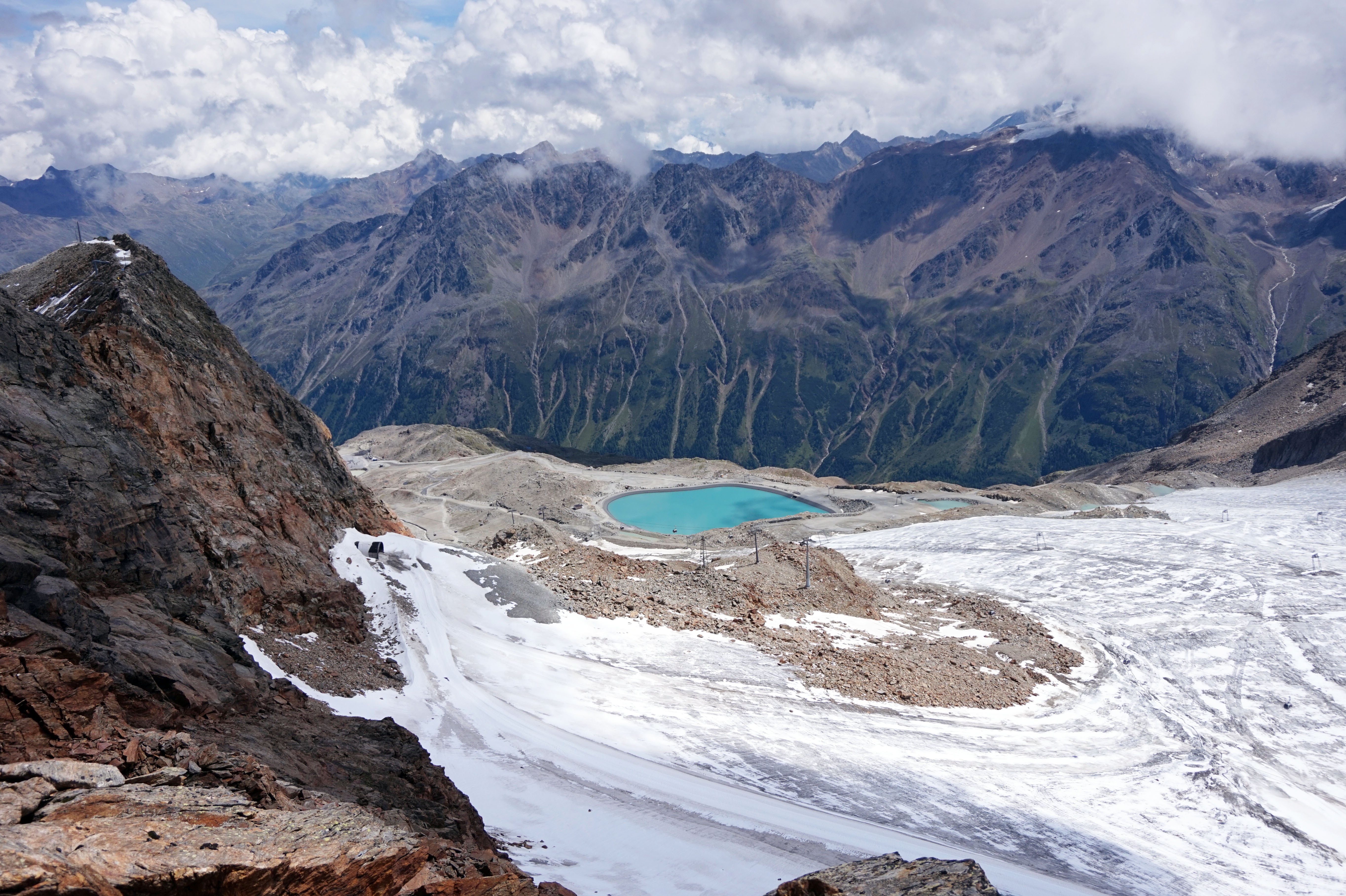
The western branch of the Ötztaler Gletscherstrasse climbs through a 1.7km rock tunnel before emerging at 2,829 metres at the foot of the Tiefenbach glacier - the highest paved road in the Alps. The sustained 10.5% average over 12km at this altitude is a proper thin-air challenge.
Both glacier roads can be combined for an epic day of climbing in the Ötztal, tackling Austria's two highest paved roads in a single ride.
Col du Granon
France · Hautes-Alpes (from Monêtier-les-Bains)
- Length
- 11.4 km
- Avg
- 9.2%
- Max
- 13%
- Summit
- 2,413 m
- Gain
- +1,049 m
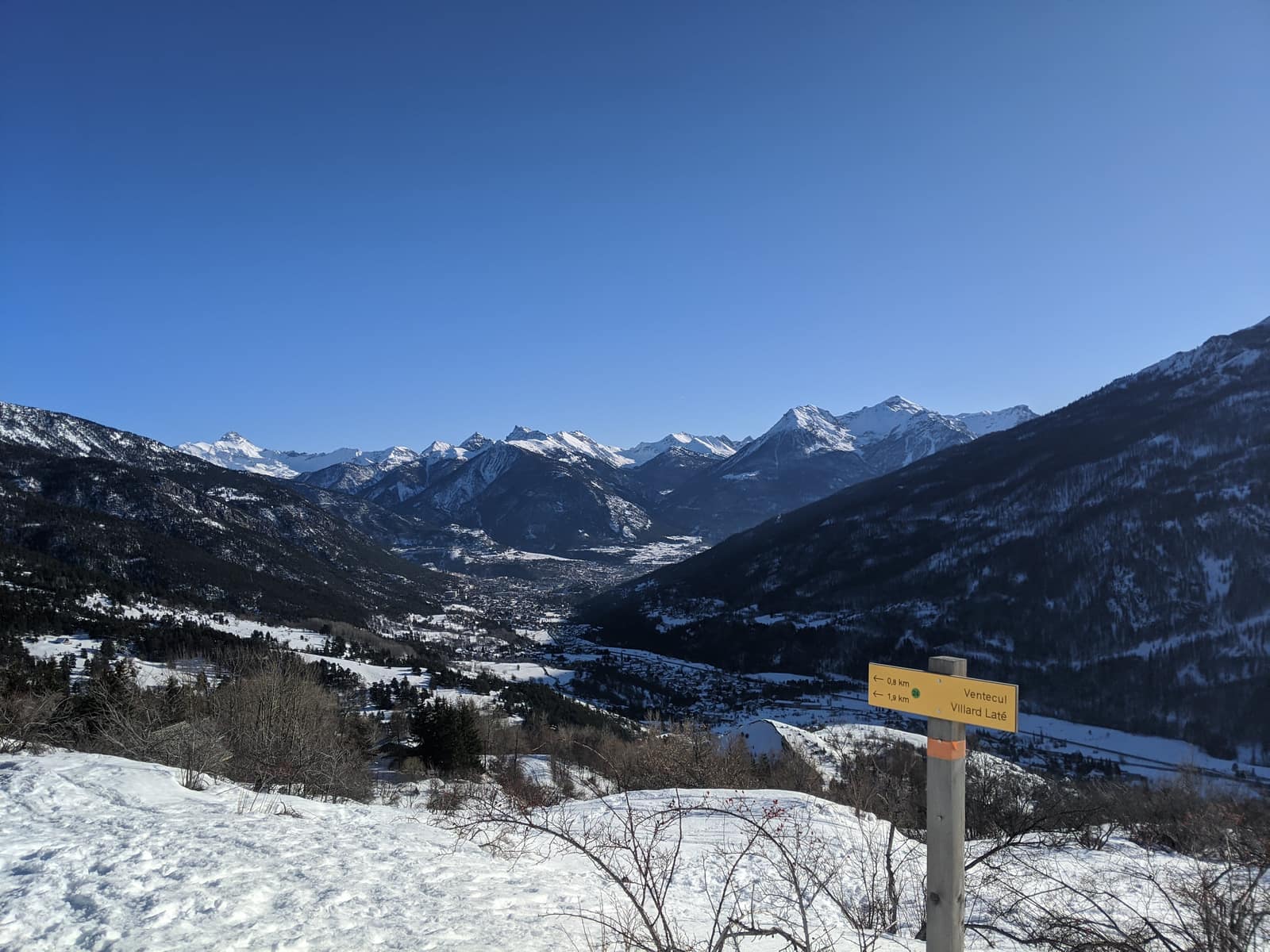
Tour de France battleground. The Col du Granon featured in the 1986 Tour when Bernard Hinault and Greg LeMond duelled on its slopes. The 9.2% average never really lets up -this is sustained difficulty at altitude.
The climb from Monêtier-les-Bains gains over 1,000m in 11km. At 2,413m, the summit sits in the thin air of the Hautes-Alpes. The road is narrow in places, and the final kilometers feel endless. A proper Alpine test.
Col du Tourmalet
France · Hautes-Pyrénées
- Length
- 19 km
- Avg
- 7.4%
- Max
- 10%
- Summit
- 2,115 m
- Gain
- +1,406 m
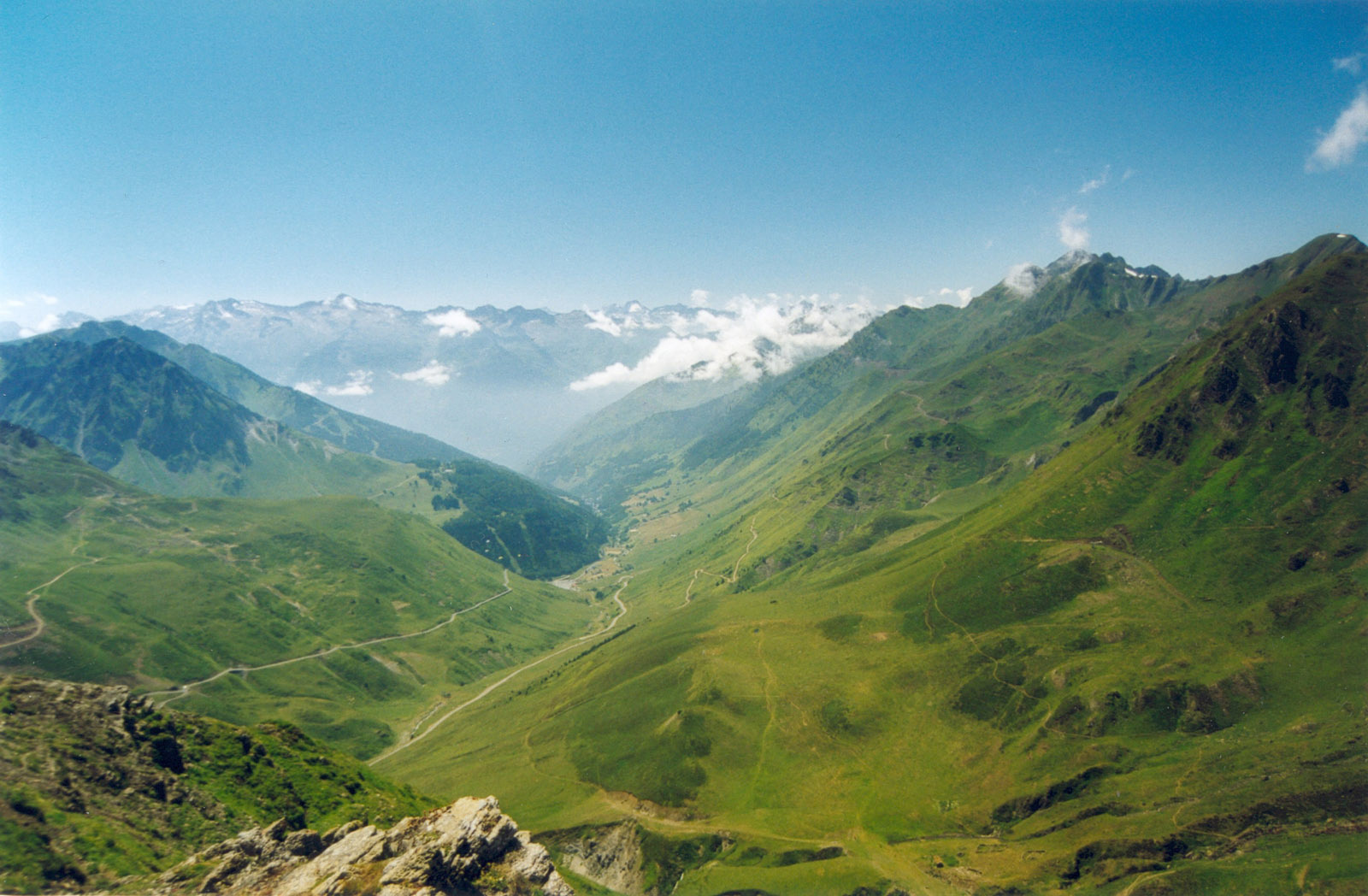
The most crossed HC climb in Tour de France history. The 'Giant of the Pyrenees' has been in the race since 1910, when organisers sent riders over the unpaved pass to break them. Today's smooth road is more forgiving, but the 19km and 2,115m summit still demand respect.
The 7.4% average and 10% maximum lack the shock value of our steeper picks -but the Tourmalet is about legacy. Climbing it connects you to a century of cycling history. The eastern side from Sainte-Marie-de-Campan is the classic approach; the western side from Luz-Saint-Sauveur is longer. Either way, you're climbing a legend.
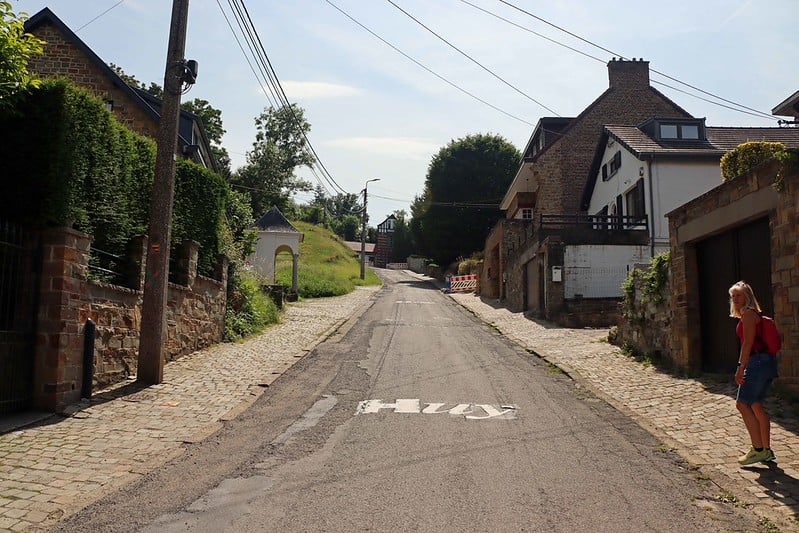
The Mur de Huy is just 1.3km long, but it decides the Flèche Wallonne every April. The final 300 meters at 26% are among cycling's most iconic finishing straights - a wall that turns powerful riders into crawling figures.
Starting at just 88 meters elevation, the approach from Huy town center is deceptively gentle before the road rears up. The smooth tarmac offers no excuses - the main difficulty is simply the gradient.
That predictability is why the Flèche Wallonne is a contender for one of the most boring semi-classics on the pro calendar. Nothing happens until the final lap, because everyone knows the race is decided on the last ascent of the Mur. The peloton typically climbs it several times, but only the last one counts.
Watching that final summit is a masterclass in suffering - even the winners look destroyed.
Alpe d'Huez
France · Isère, French Alps
- Length
- 13.8 km
- Avg
- 8.1%
- Max
- 13%
- Summit
- 1,860 m
- Gain
- +1,118 m
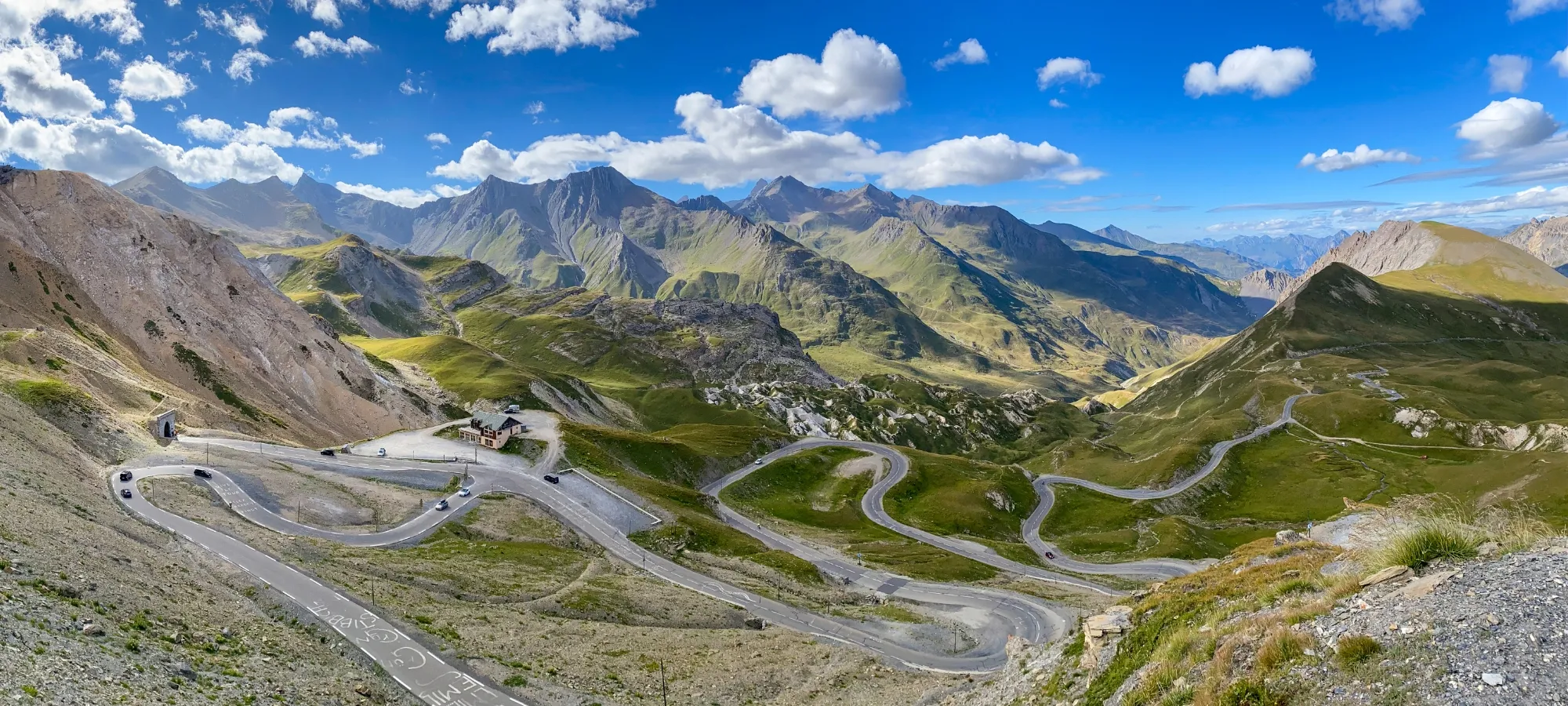
Alpe d'Huez is the most famous climb in cycling, its 21 numbered hairpins creating one of sport's most iconic images. Each turn is named after a stage winner, creating a living museum of Tour de France history.
The gradient averages 8.1% over 13.8km - tough but not extreme by modern standards. What makes Alpe d'Huez special is the atmosphere: on Tour days, up to a million spectators line the route, creating an unmatched wall of noise.
Every cyclist should climb Alpe d'Huez at least once. Time yourself and see how you compare to the legends whose names adorn each hairpin.
Mount Teide
Spain · Tenerife, Canary Islands
- Length
- 30 km
- Avg
- 5.5%
- Max
- 10%
- Summit
- 2,356 m
- Gain
- +2,356 m
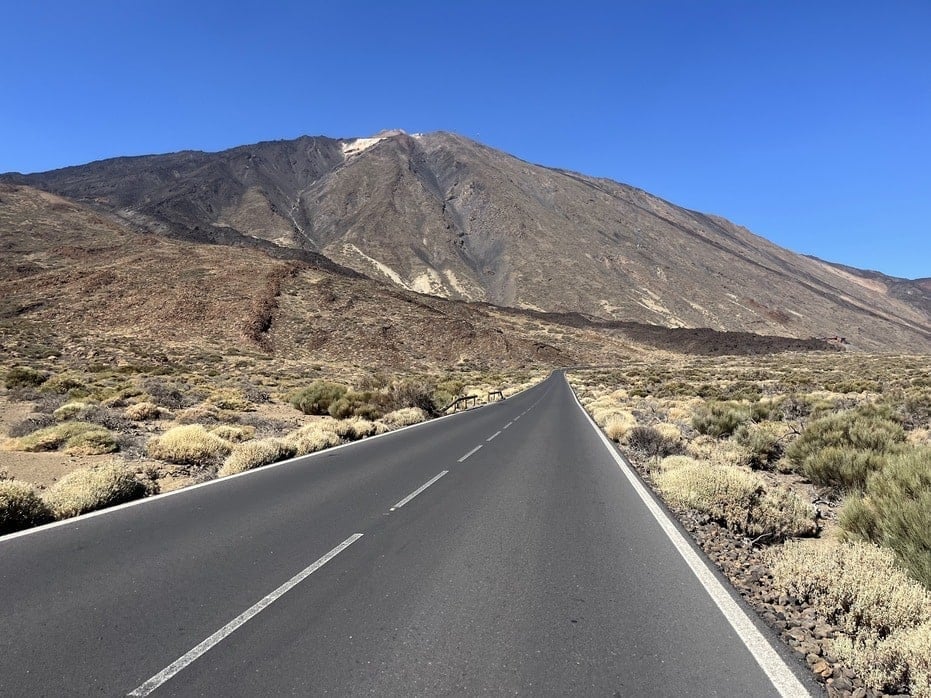
The longest climb in Europe. The road ends at the cable car base at 2,356m -the peak (Pico del Teide) is Spain's highest point at 3,718m but is only reachable on foot or by cable car. The Santa Cruz route stretches up to 62km; the shortest is around 38km. Multiple routes share the same characteristic: moderate gradients that feel brutal at altitude.
The 5.5% average sounds tame. It isn't. Above 2,000m, the thin air saps power. The volcanic landscape is otherworldly, and the final approach to the cable car station crosses a high plateau where the wind can be savage. Acclimatise if you can. Hydrate. This is an all-day undertaking.
Monte Crostis
Italy · Friuli-Venezia Giulia
- Length
- 14.1 km
- Avg
- 10%
- Max
- 19%
- Summit
- 1,987 m
- Gain
- +1,410 m
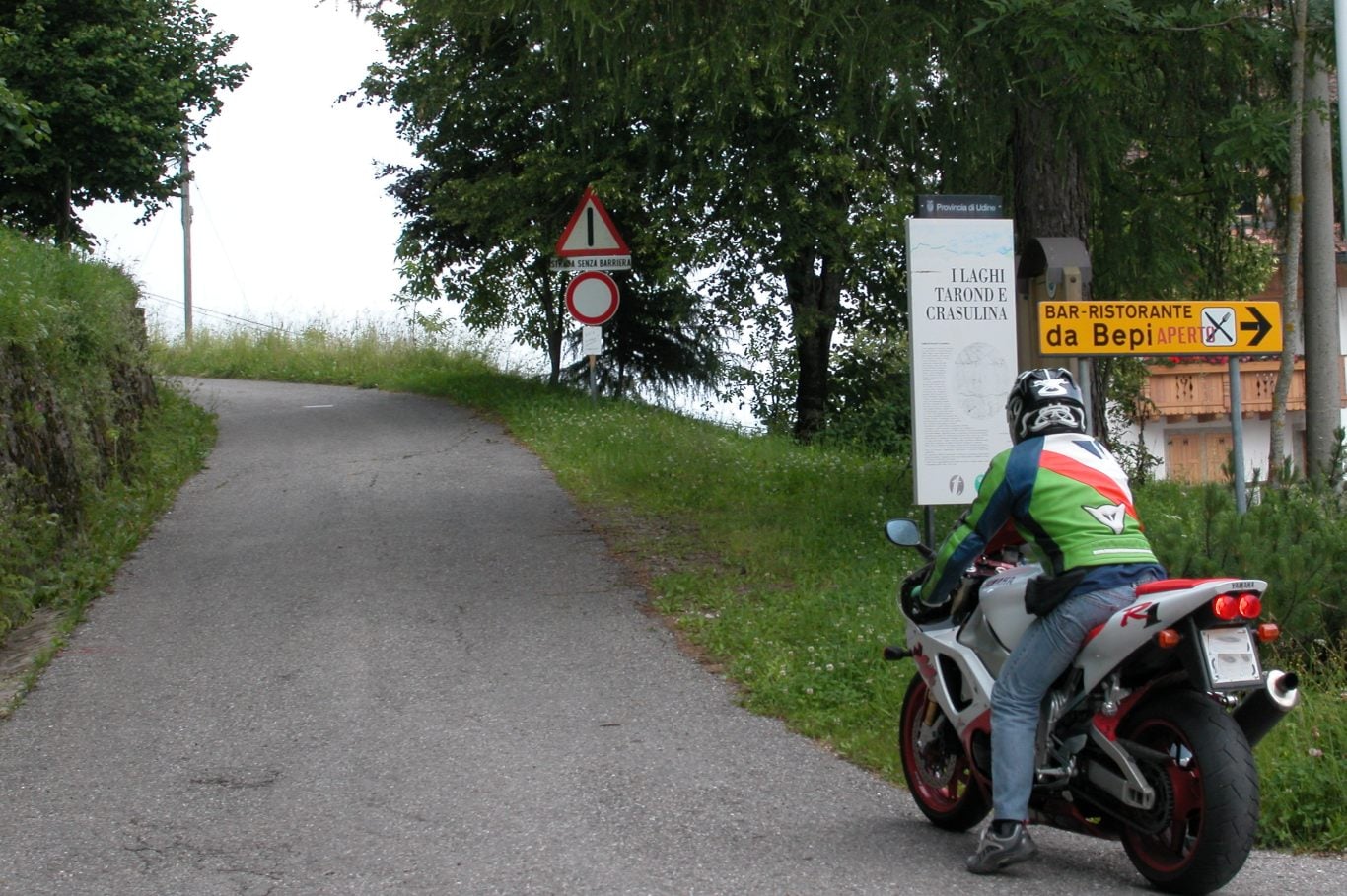
Monte Crostis sits in the shadow of its more famous neighbor, Monte Zoncolan, but this Friulian climb is a serious challenge in its own right. 14km at 10% average with regular double-digit ramps.
The road is narrow and occasionally rough, adding a sense of adventure to the physical challenge. Far fewer cyclists come here than to Zoncolan, making it perfect for those seeking solitude with their suffering.
Roque de los Muchachos
Spain · La Palma, Canary Islands
- Length
- 36 km
- Avg
- 6.6%
- Max
- 14%
- Summit
- 2,423 m
- Gain
- +2,376 m
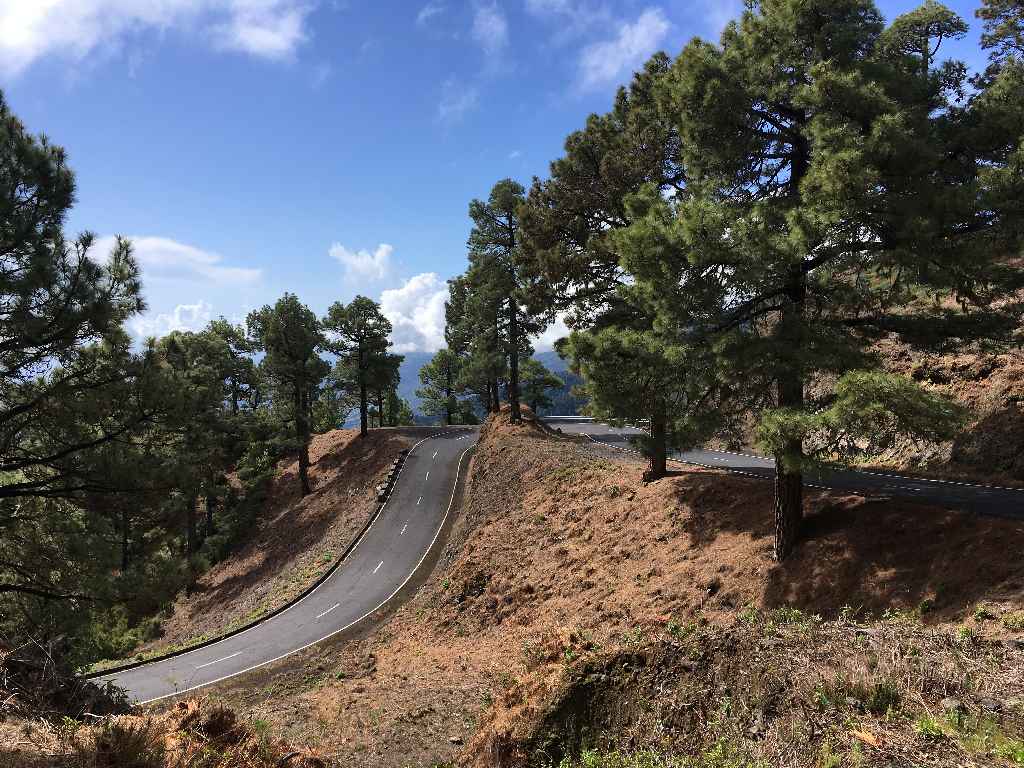
Starting from just 13 meters elevation, you'll climb over 2,400 meters to reach one of the world's premier astronomical observatory sites. This is more elevation gain than even the most prestigious European climbs.
The road winds through multiple climate zones, from coastal warmth through cloud forest to the barren summit. At 36km, this is an expedition that requires careful pacing and plenty of supplies.
Rettenbachferner
Austria · Tyrol (Ötztal)
- Length
- 12.5 km
- Avg
- 10.7%
- Max
- 15%
- Summit
- 2,795 m
- Gain
- +1,338 m
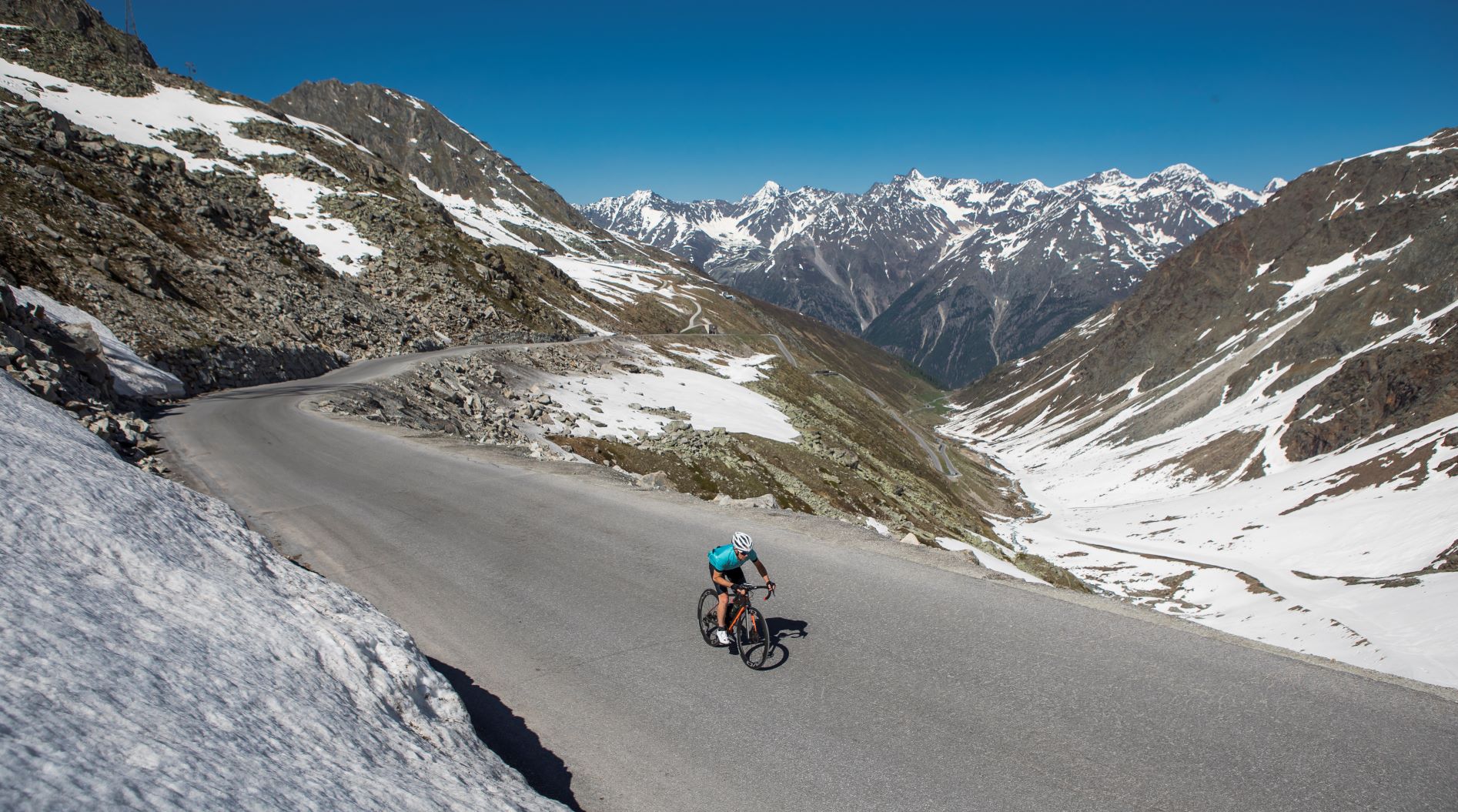
The Ötztaler Gletscherstrasse splits near the top; the eastern branch ends at the Rettenbach glacier at around 2,795 metres - just below the Tiefenbachferner branch, which is the Alps' highest paved point. The 10.7% average over 12.5km is sustained and relentless, with the altitude adding significantly to the difficulty.
Built to access the glacier ski area, this road climbs through dramatic alpine scenery to a barren, glacial world. In summer, the contrast between the green valleys below and the icy summit is striking.
Muur van Geraardsbergen
Belgium · East Flanders
- Length
- 1.1 km
- Avg
- 9.3%
- Max
- 20%
- Summit
- 150 m
- Gain
- +110 m
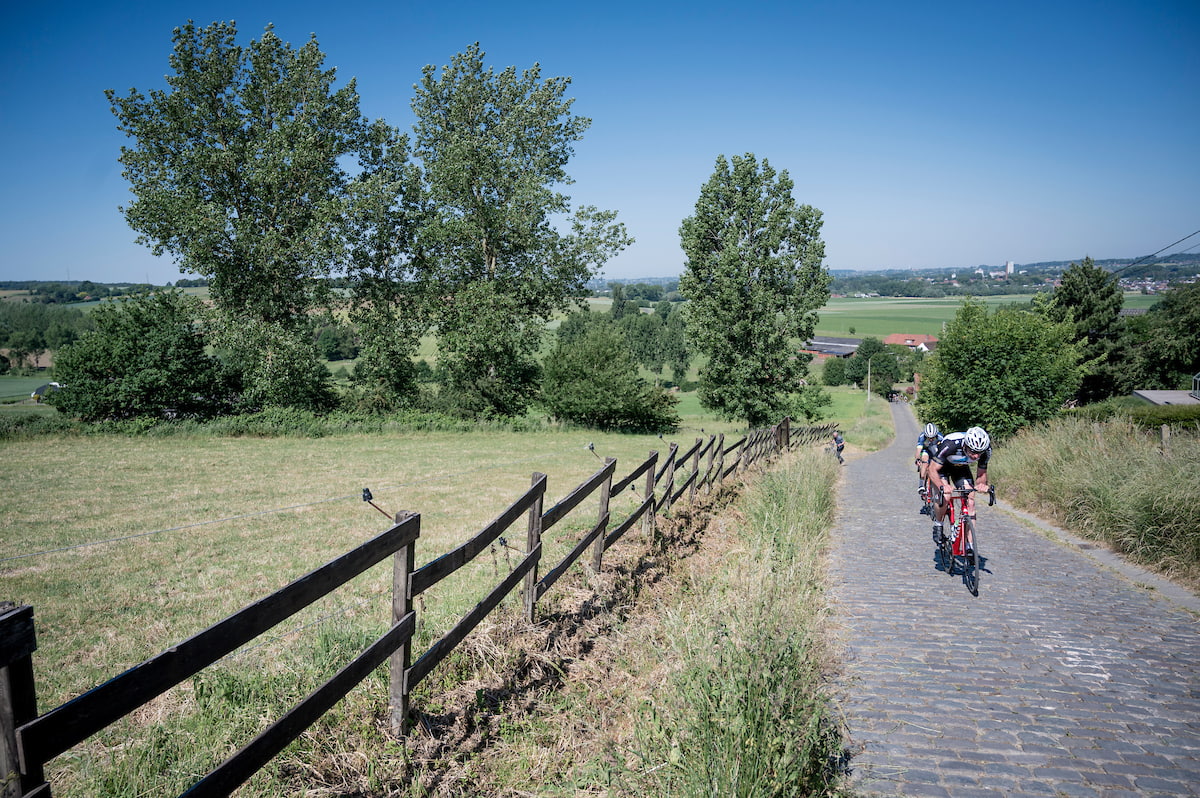
The legendary 'Wall' has been deciding Belgian classics for generations. The cobbled climb to the chapel at the top of the Oudenberg is one of cycling's most iconic images -riders weaving, spectators lining the gutters, the gradient biting.
At just over a kilometre, the Muur is short but perfectly placed. The steepest sections hit 20%, and the cobbles add a technical dimension that smooth roads can't replicate. When the Tour of Flanders used this as the final climb, the race was often decided here. Even now, cycling pilgrims flock to Geraardsbergen to test themselves on the same stones.
Bola del Mundo
Spain · Sierra de Guadarrama, Madrid
- Length
- 21.5 km
- Avg
- 6.5%
- Max
- 22%
- Summit
- 2,265 m
- Gain
- +1,400 m
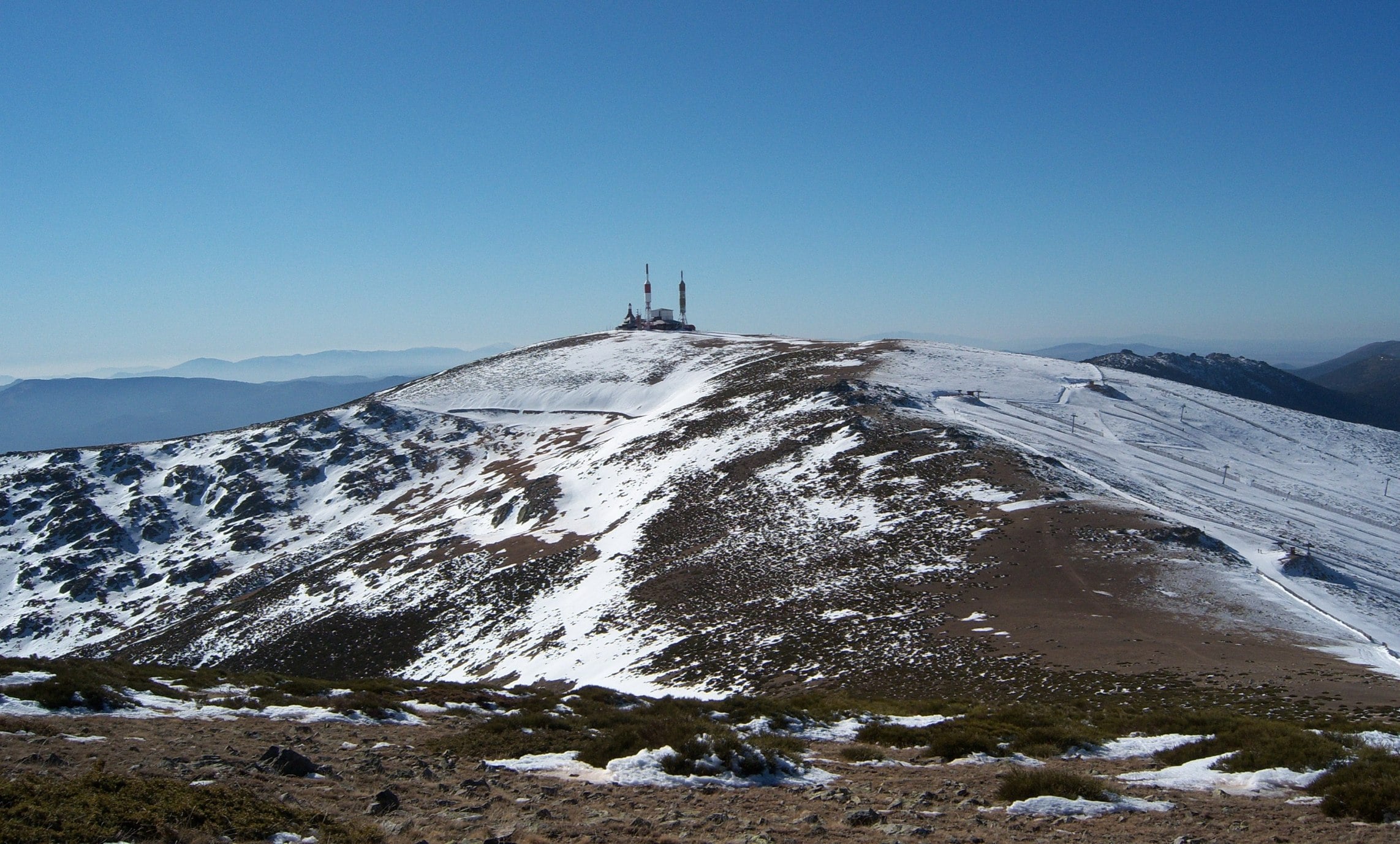
Bola del Mundo is Madrid's wall of suffering. The climb starts innocuously from Cercedilla, following the classic Puerto de Navacerrada road through pine forests at 5–6% for about 15km. Then, past the Navacerrada summit, the road narrows, turns to rough concrete strips, and rears up for a final 3 kilometres that average 12% with ramps to 22%.
The final section was built as a service road for the telecommunications installations at the 2,265m summit - not for cyclists, and it shows. Concrete joints break your rhythm, the altitude saps oxygen, and there's nowhere to hide from sun or wind. Riders weave across the full width of the road in the Vuelta; amateurs don't fare any better.
The Vuelta a España has used Bola del Mundo as a summit finish several times, and the GC almost always shifts here when it appears. If Madrid's other Guadarrama climbs feel tame, head to Bola for the reality check.
Xorret de Catí
Spain · Alicante, Costa Blanca
- Length
- 4 km
- Avg
- 11.1%
- Max
- 24%
- Summit
- 1,097 m
- Gain
- +437 m
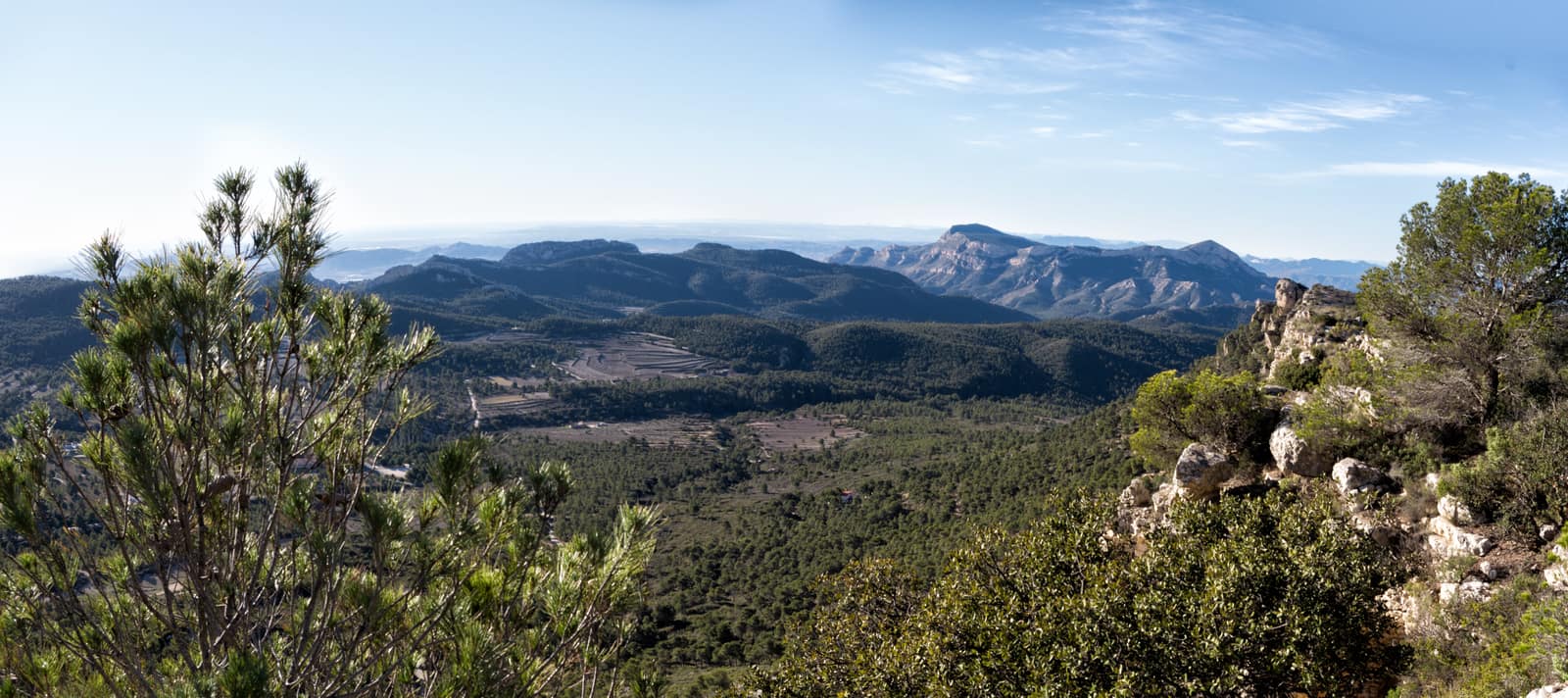
Classic Vuelta wall from Castalla: 4km at 11% average with sections topping 24%. Short but savage -one of the iconic climbs of the Costa Blanca and a regular stage finish in the Vuelta a España.
The climb has decided stages for Jiménez, Moncoutié, Alaphilippe and Roglič. A bronze monument to the cyclist stands at the summit. If you're in the Valencia/Alicante region and want a punchy, leg-breaking test, Xorret de Catí delivers.
Stalheimskleiva
Norway · Between Oslo and Bergen (Rv13)
- Length
- 2.1 km
- Avg
- 12.2%
- Max
- 25%
- Summit
- 350 m
- Gain
- +373 m
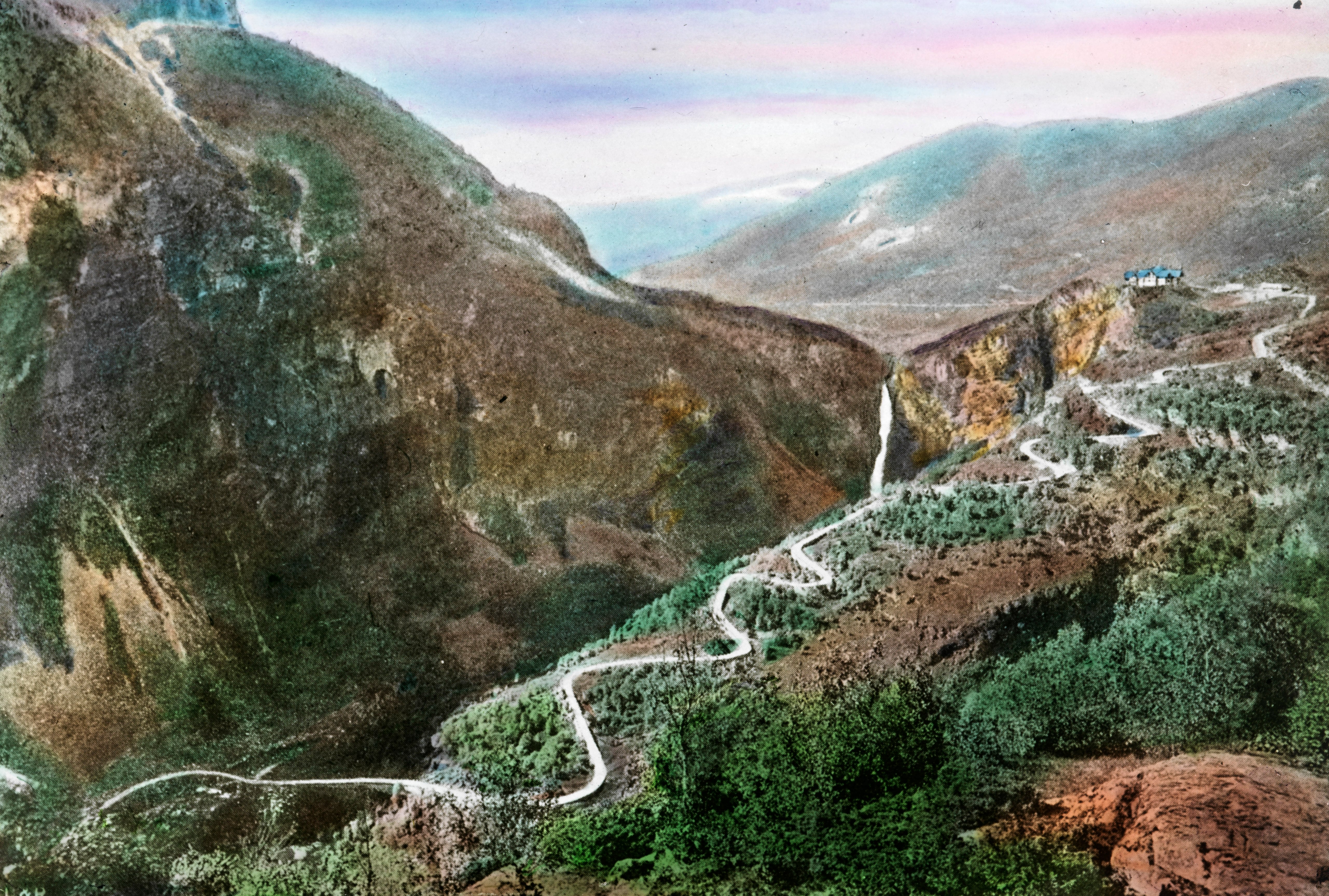
Northern Europe's steepest road. 13 hairpins packed into just 2km with gradients that force many cyclists to walk. The road was carved into the mountainside between 1842 and 1846, and the engineering is as impressive as the effort required to climb it.
The steepest section hits 25%, and the combination of tight bends and exposed drop-offs makes it both physically and psychologically demanding. Early morning is best to avoid tour buses, and the descent demands as much concentration as the climb.
Pico Arieiro
Portugal · Madeira
- Length
- 18.5 km
- Avg
- 9.5%
- Max
- 20%
- Summit
- 1,818 m
- Gain
- +1,757 m
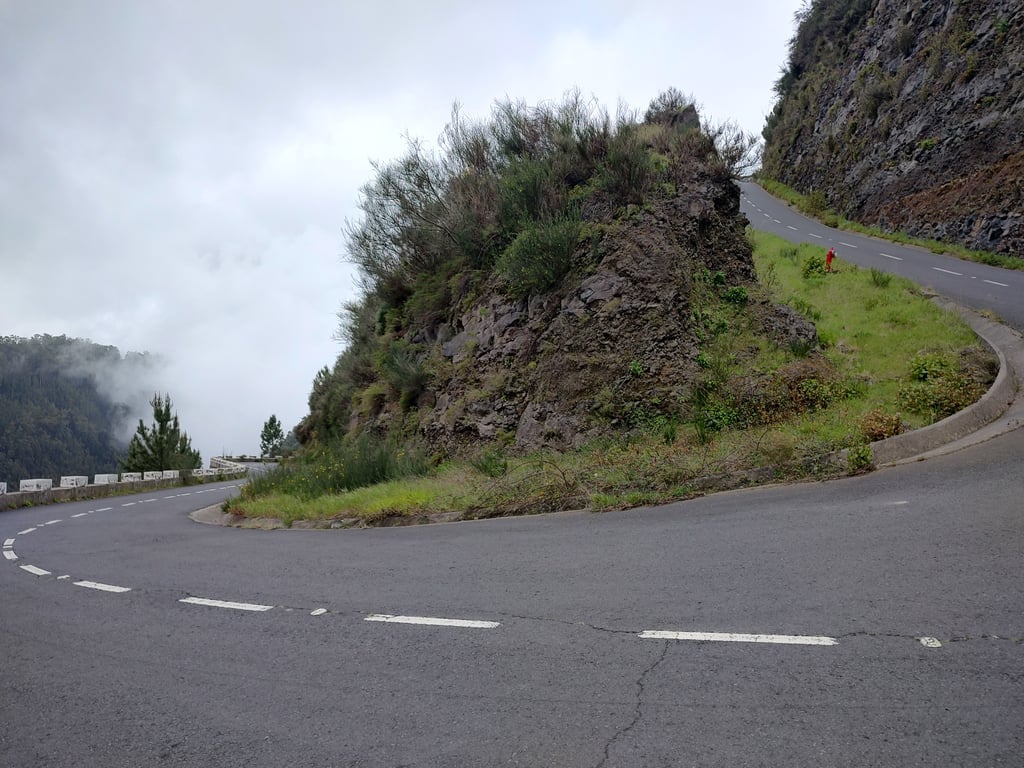
Pico Arieiro is Madeira's highest paved point, and the climb from Funchal is a world-class challenge. Nearly 19km at 9.5% average through dramatic volcanic landscape with sections hitting 20%.
The road winds through endemic laurel forest before emerging above the clouds. On clear days the views across the island are stunning - but clear days are the exception, not the rule. The coast around Funchal is mild year-round, but the mountain interior is one of Europe's wettest, especially November–March. Riders regularly climb into thick cloud, drizzle, and a 10°C temperature drop; snow at the summit isn't unheard of. Late spring and early autumn are the most reliable windows.
Passo di Gavia
Italy · Lombardy (Bormio / Ponte di Legno)
- Length
- 17.3 km
- Avg
- 7.9%
- Max
- 16%
- Summit
- 2,621 m
- Gain
- +1,367 m
The Gavia is wild where the Stelvio is civilised. This is a narrow, remote road that can be snow-bound even in midsummer. The 1988 Giro stage over the Gavia in a blizzard is legendary -Andy Hampsten's victory in biblical conditions secured his overall win.
At 2,621m, the pass sits in the thin air of the Eastern Alps. The northern side from Ponte di Legno is the harder approach, with rough stretches and a dark, damp tunnel. The southern descent to Bormio is no easier. Check conditions before you go -the Gavia rewards preparation and punishes the unprepared.
Alto de los Machucos
Spain · Cantabria
- Length
- 7.2 km
- Avg
- 8.7%
- Max
- 28%
- Summit
- 921 m
- Gain
- +675 m
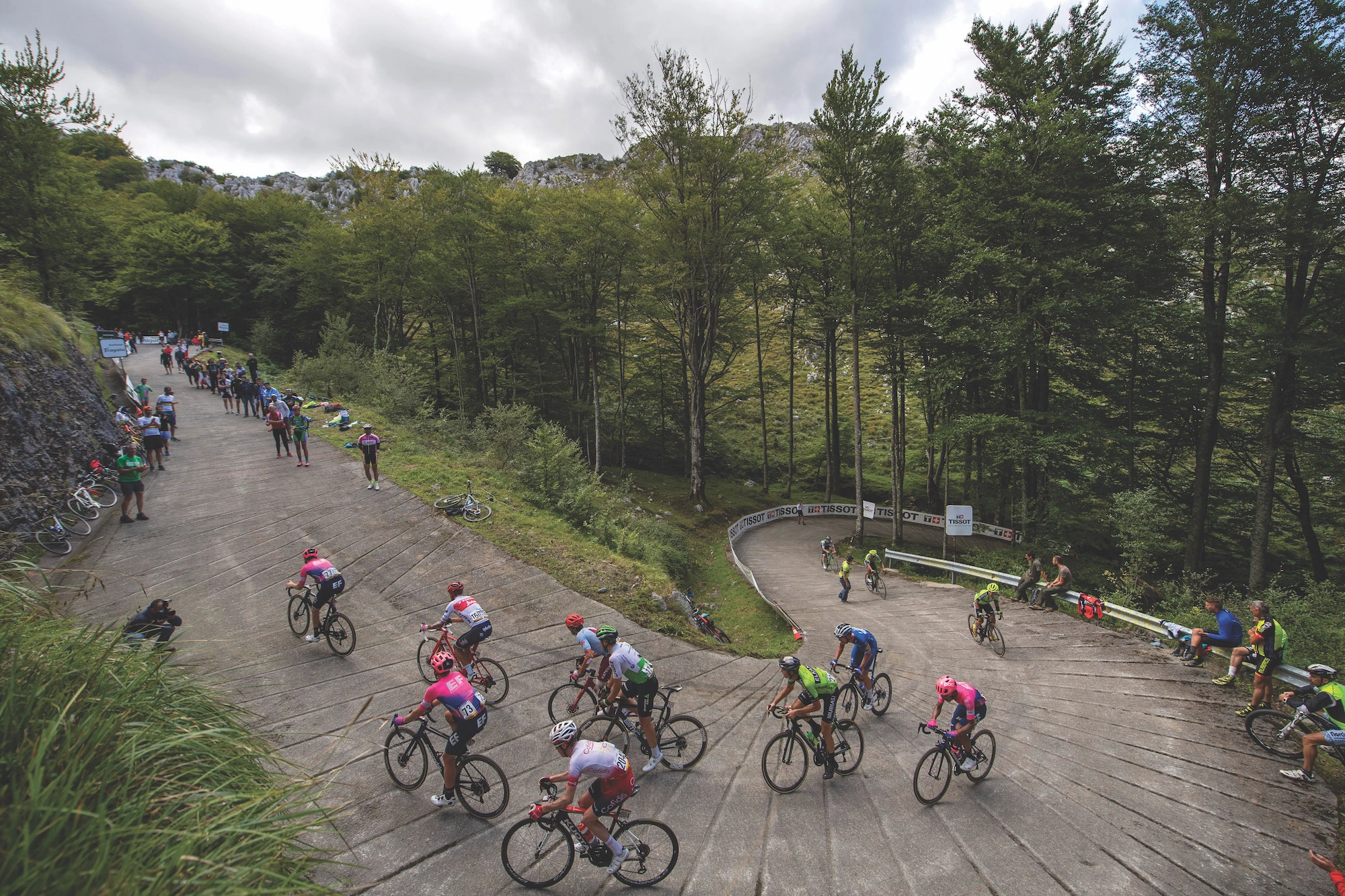
The Alto de los Machucos is a classic Cantabrian wall -short but with ramps that seem to go vertical. The 28% maximum gradient section is one of the steepest in professional racing, a concrete strip that has riders weaving across the full width of the road.
The Vuelta a España discovered this climb and immediately fell in love with its cruelty. Watching the world's best climbers struggle on those impossible ramps is a reminder that some gradients can't be conquered by fitness alone.
Passo dello Stelvio
Italy · Eastern Alps (South Tyrol / Lombardy border)
- Length
- 24.3 km
- Avg
- 7.1%
- Max
- 14%
- Summit
- 2,758 m
- Gain
- +1,840 m
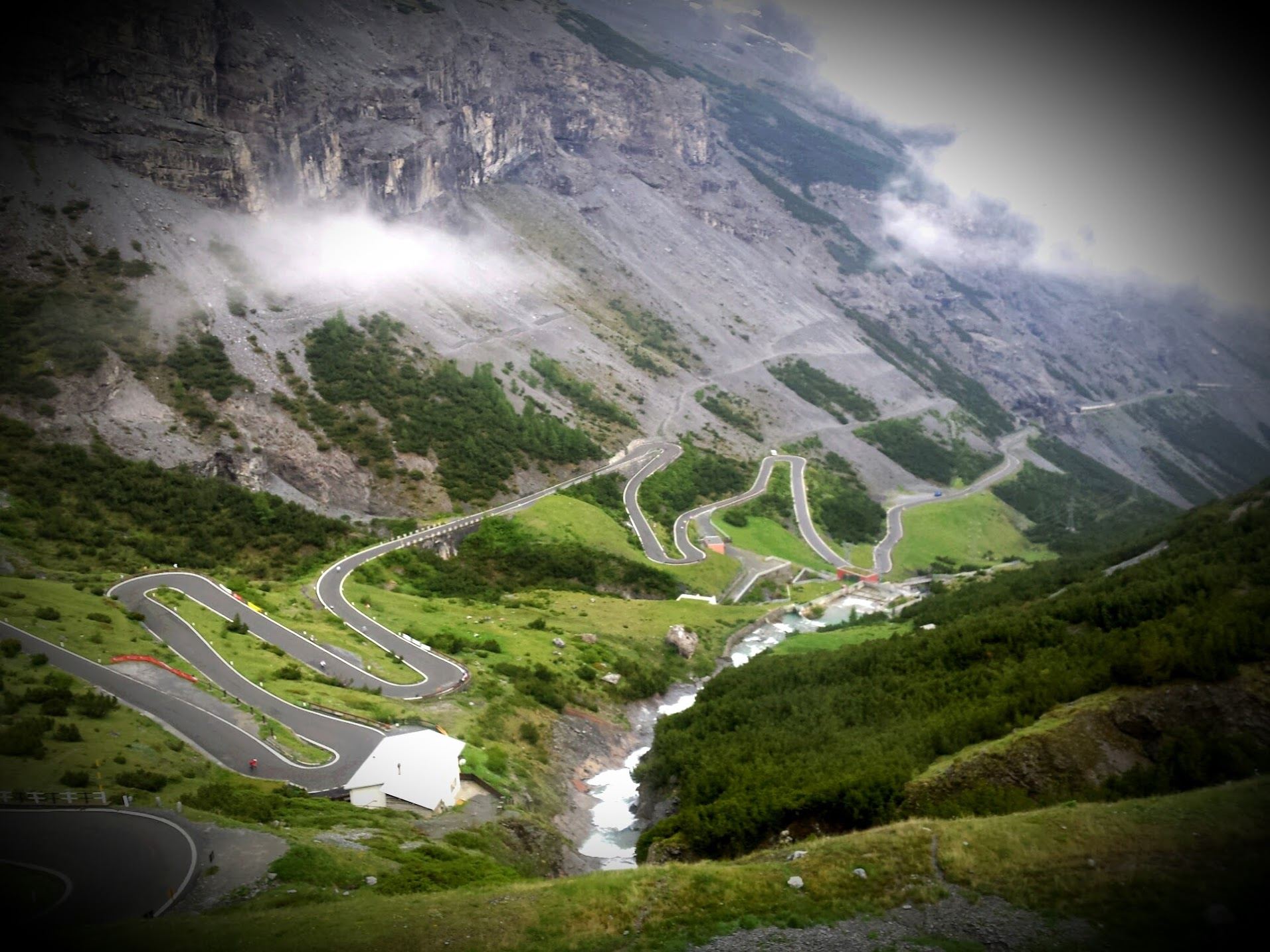
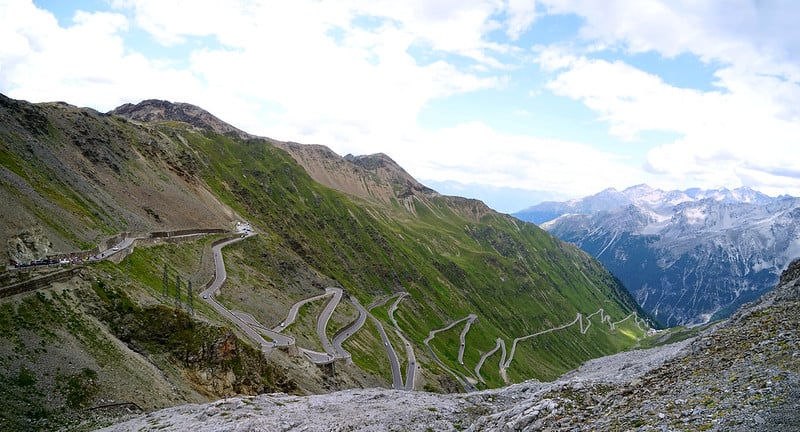
The Stelvio is Italy's highest paved pass and one of cycling's great pilgrimages. The eastern approach from Prato allo Stelvio has 48 numbered hairpins -switchback stacked on switchback, each one taking you higher into the thin air. At 2,758m, the summit delivers views that justify every pedal stroke.
The 7.1% average over 24km (Prato side) is more about endurance than extreme gradient, but the altitude bites. Above 2,500m, the body rebels. Snow is possible even in summer, and the pass typically opens only from June to October. When you reach the top, you've joined a club that includes every great climber in cycling history.
Babadağ
Turkey · Muğla Province
- Length
- 18.9 km
- Avg
- 10.4%
- Max
- 20%
- Summit
- 1,969 m
- Gain
- +1,965 m
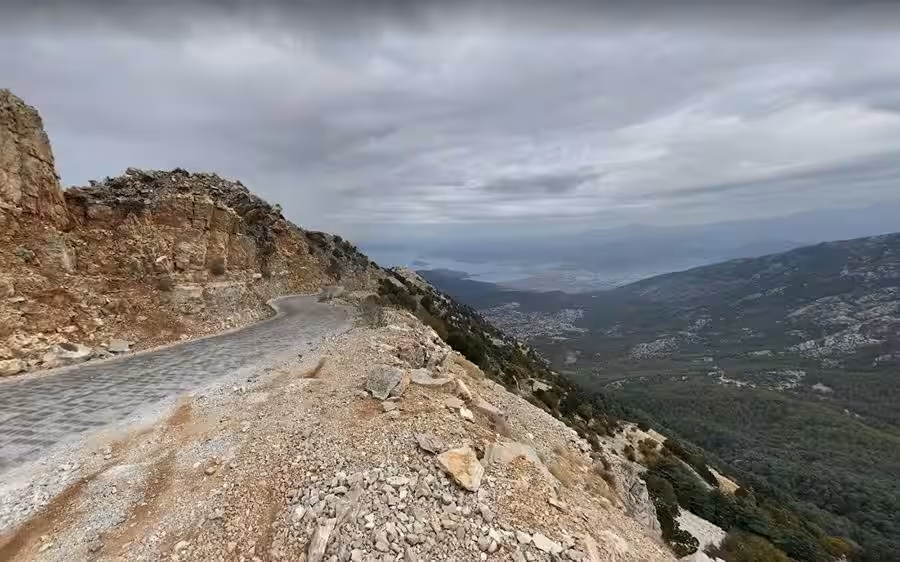
Babadağ rises above the Turkish coast to nearly 2,000 meters, offering one of the Mediterranean's most challenging climbs. The 10.4% average over nearly 19km is brutal, especially in the summer heat that can be extreme.
Known primarily as a paragliding launch site, the road to Babadağ is a hidden gem for cyclists seeking something off the beaten path. The views down to Ölüdeniz and the turquoise coast are spectacular.
Paterberg
Belgium · Flanders (Kruisem)
- Length
- 0.4 km
- Avg
- 12.5%
- Max
- 20%
- Summit
- 80 m
- Gain
- +48 m
The final cobbled climb of the Tour of Flanders. Just 400 meters, but placed at the point in the race when legs are destroyed and the smallest selection decides the winner. The Paterberg has broken more dreams than climbs ten times its length.
The 12.5% average and 20% maximum would be challenging on smooth asphalt. On wet, muddy cobbles after 250km of racing, it's savage. This is where the Ronde is often won and lost -and where amateur cyclists come to test themselves against the same stretch of road.
Passo del Mortirolo
Italy · Lombardy
- Length
- 12.4 km
- Avg
- 10.5%
- Max
- 20%
- Summit
- 1,852 m
- Gain
- +1,300 m
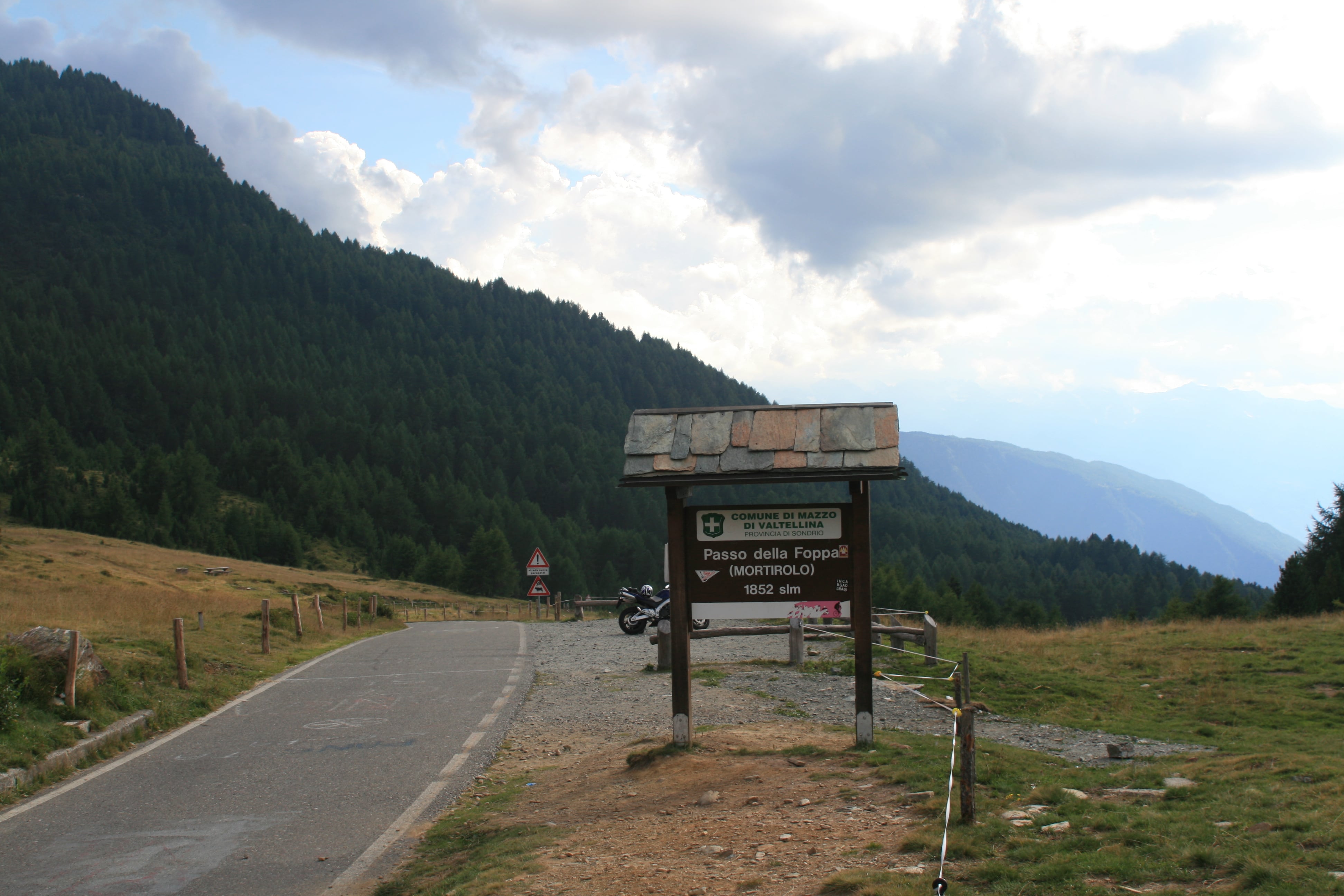
The Mortirolo from Mazzo di Valtellina is one of cycling's true giants. The 10.5% average over 12.4km is relentless, with no section dropping below 10% and regular ramps to 20%. Roughly two-thirds of the way up, the Pantani monument - a bronze bust on the side of the road - reminds riders of the legends who conquered this mountain.
The Giro d'Italia has featured Mortirolo in some of its most decisive stages. The narrow road through dense forest offers no respite and no spectators until the higher slopes. This is a climb for purists - just suffering and scenery.
Col de la Loze
France · Savoie (French Alps)
- Length
- 21.5 km
- Avg
- 7.7%
- Max
- 24%
- Summit
- 2,304 m
- Gain
- +1,641 m
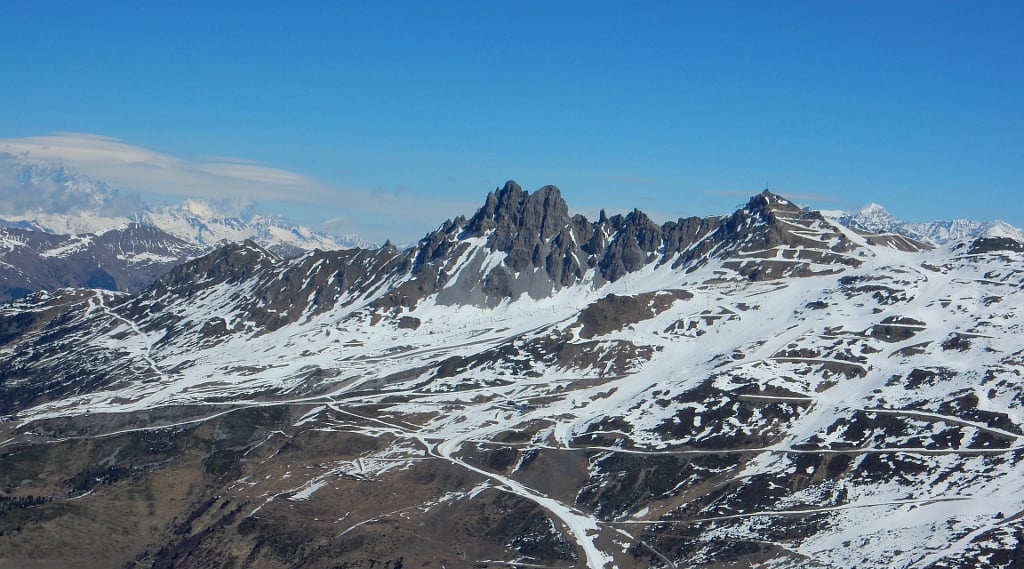
The Col de la Loze is the newest addition to the Tour de France's arsenal, and it's a monster. At 2,304 meters, the altitude alone is punishing, but the climb also features vicious gradients up to 24% in the final kilometers.
The road from Méribel was only paved recently, specifically to create a new Tour finish. The thin air at the summit combined with the steep final ramps has already produced dramatic racing.
Mont Ventoux
France · Provence, Vaucluse
- Length
- 21.8 km
- Avg
- 7.4%
- Max
- 12%
- Summit
- 1,909 m
- Gain
- +1,617 m
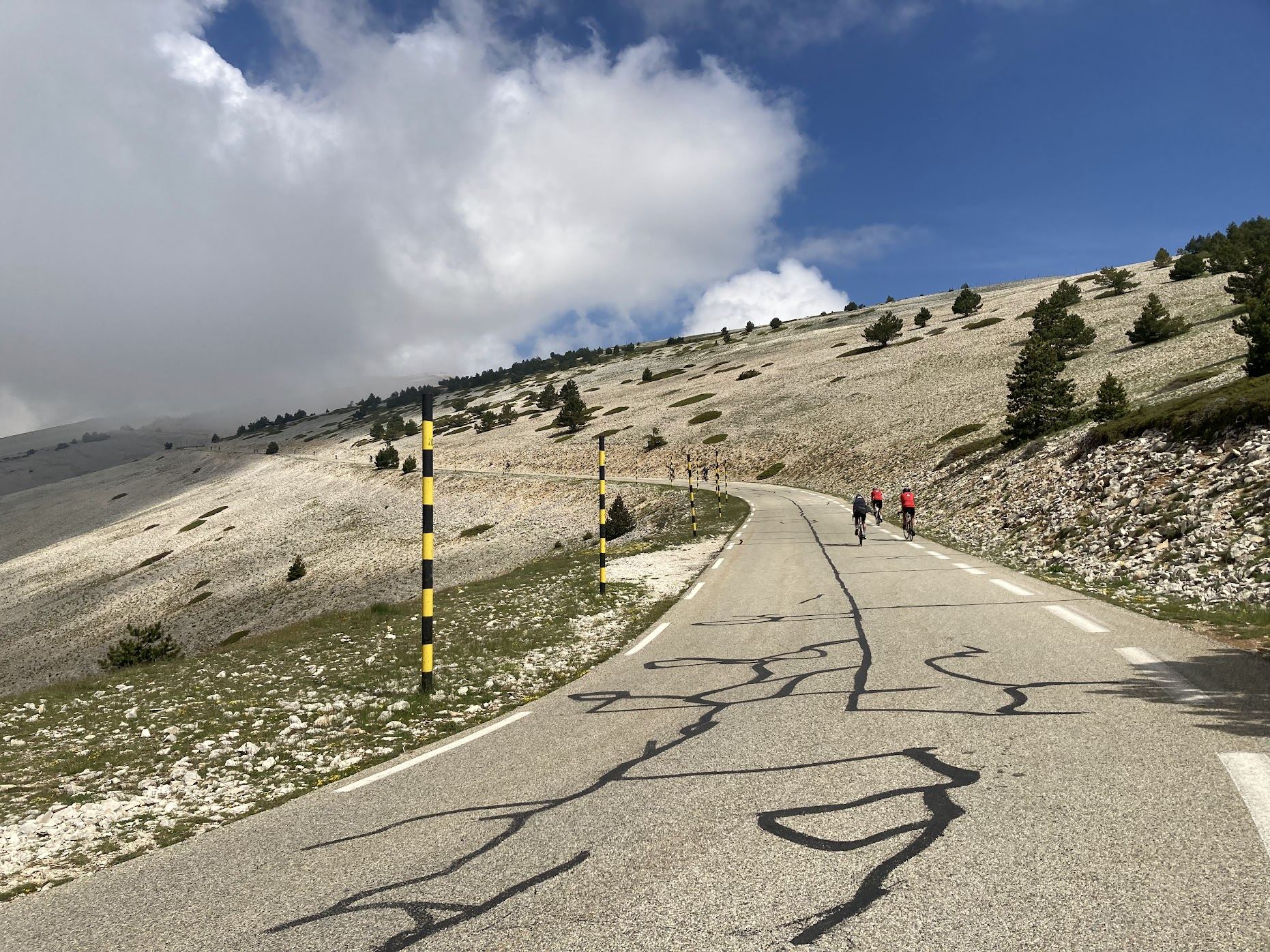
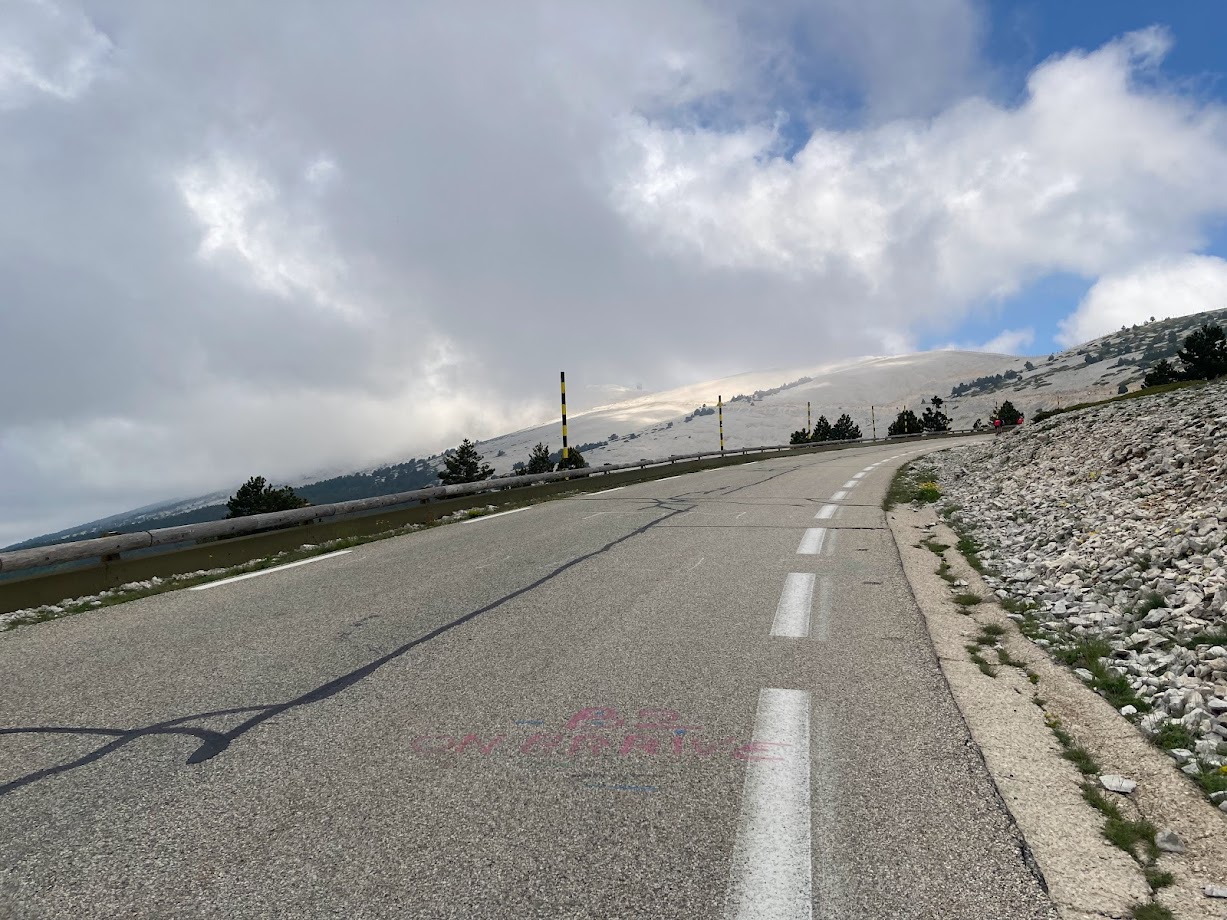
The 'Beast of Provence' - arguably the most famous cycling climb in the world. The bald, lunar summit has been the scene of cycling's greatest dramas, from Tom Simpson's tragic death in 1967 to countless Tour de France battles. The mountain's exposed upper slopes offer no shelter from wind or sun.
From Bédoin, the classic route, the first 6km are deceptively easy at 4.4%. Then the forest section hits: 9.5km averaging over 9%, with sections above 11%. Above Chalet Reynard, the trees disappear and the white moonscape begins. Wind speeds here have exceeded 300 km/h.
It's not the steepest climb, but it's the most iconic - every cyclist should climb it once.
Kitzbüheler Horn
Austria · Tyrol
- Length
- 10.1 km
- Avg
- 12.4%
- Max
- 22%
- Summit
- 1,986 m
- Gain
- +1,256 m
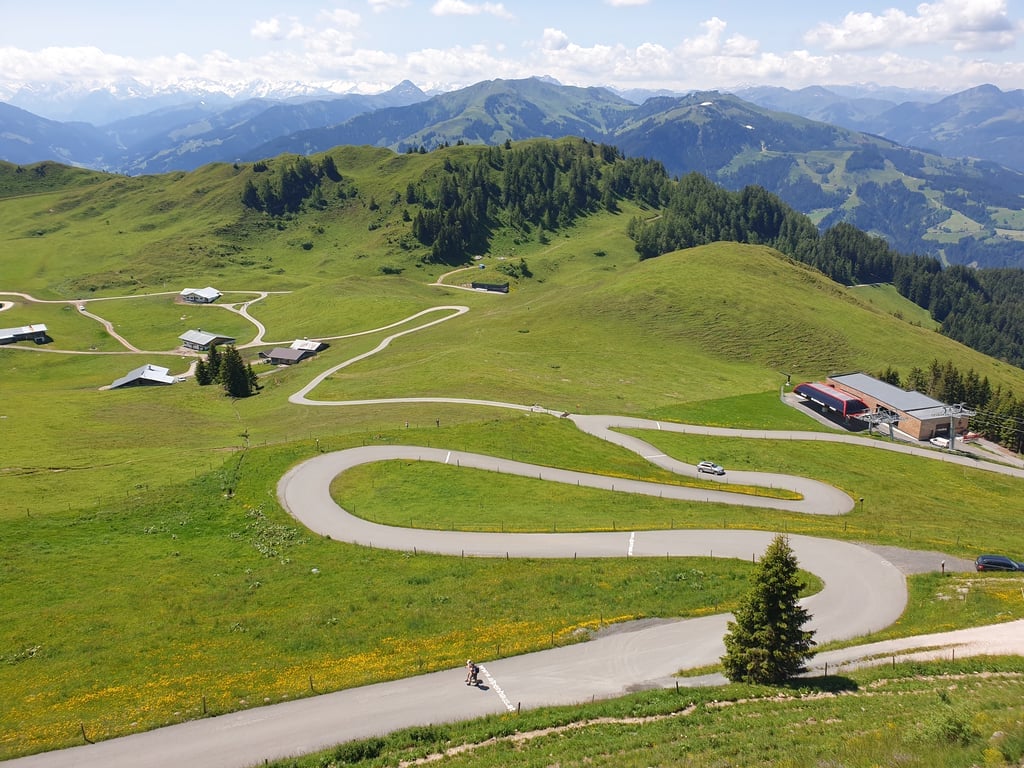
The Kitzbüheler Horn is Austria's answer to the great Italian and Spanish climbs. At 12.4% average over 10.1km, with ramps up to 22%, this is a world-class ascent that would be famous anywhere.
Rising above the famous ski resort, the road climbs through alpine meadows with consistently brutal gradients. There's no easy section - just sustained suffering until you reach the summit at nearly 2,000 meters.
Pico del Veleta
Spain · Sierra Nevada, Andalusia
- Length
- 44 km
- Avg
- 6.1%
- Max
- 15%
- Summit
- 3,398 m
- Gain
- +2,700 m
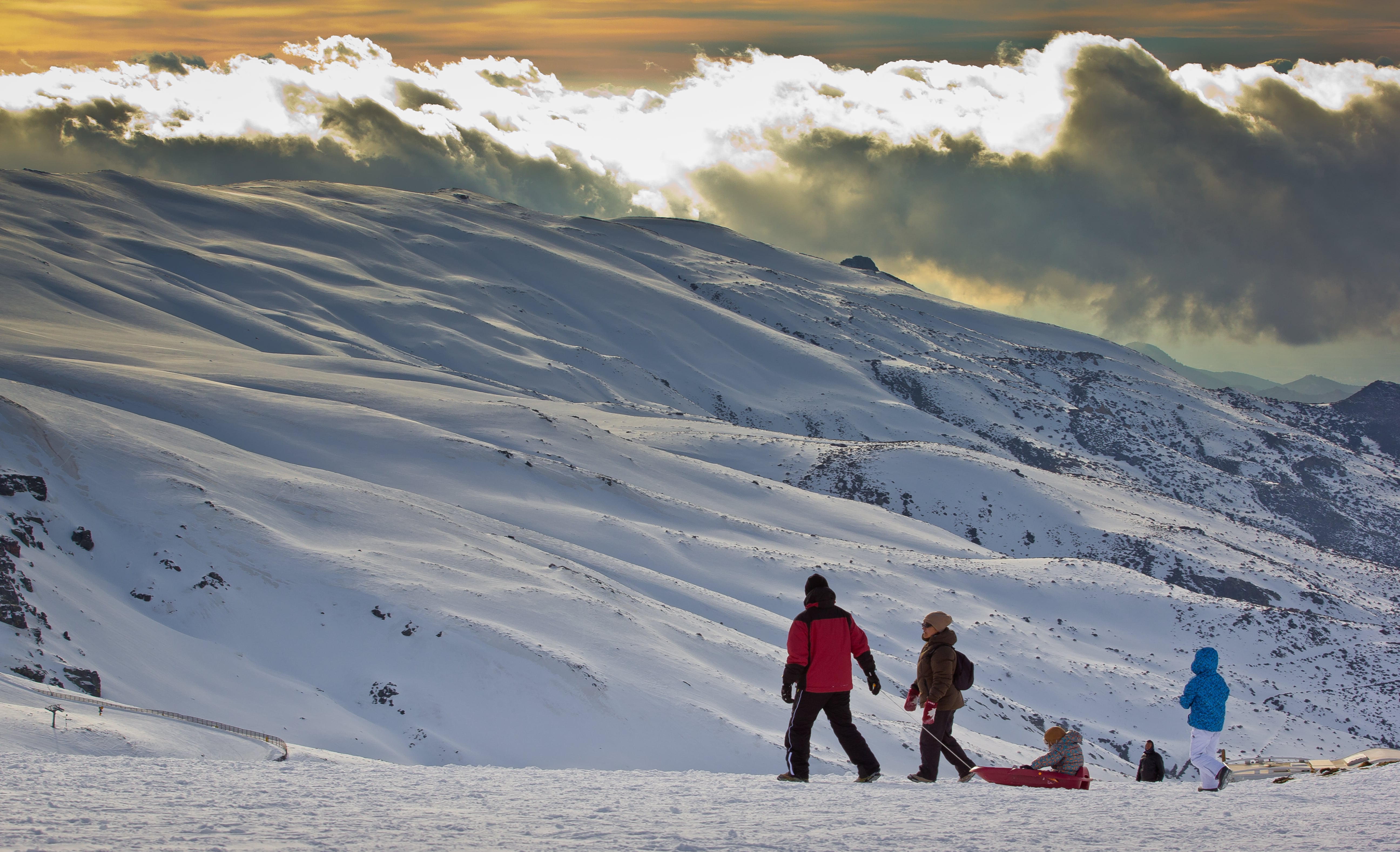
Pico del Veleta is Europe's highest paved road, reaching 3,398 meters above sea level. The climb from Granada gains nearly 2,700 meters of elevation over approximately 44 kilometers - an absolutely massive undertaking.
While the Veleta doesn't have the ridiculous maximum gradients of other climbs on this list, its combination of extreme altitude and sheer length makes it uniquely challenging. Above 3,000 meters, the thin air makes even modest gradients feel severe.
This is an expedition rather than a climb - pack food, water, and warm clothing for the snow-capped summit.
Koppenberg
Belgium · Flanders
- Length
- 0.6 km
- Avg
- 11.6%
- Max
- 22%
- Summit
- 77 m
- Gain
- +70 m
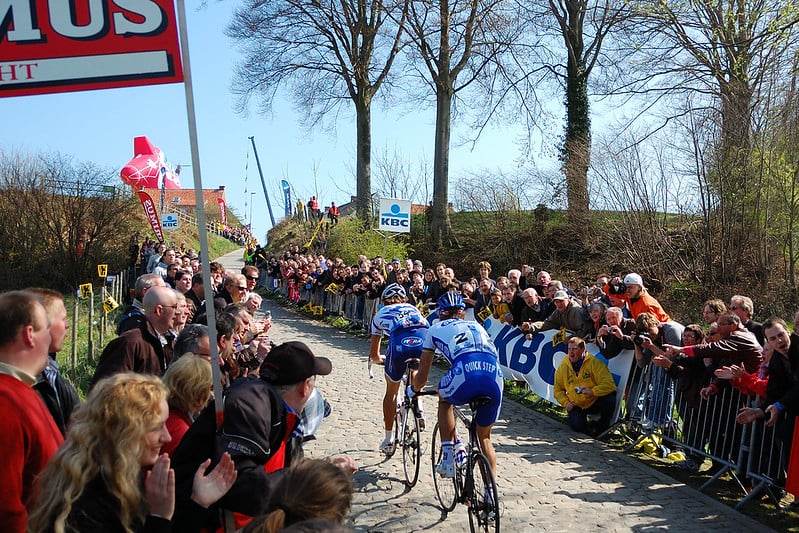
The Koppenberg is just 600 meters long, but those 600 meters are among the most brutal in cycling. Steep, narrow, and paved with unforgiving cobblestones that have been polished smooth by centuries of use, this climb has decided countless Tour of Flanders editions.
The combination of 22% gradients and slippery cobbles creates a unique challenge. Lose momentum for even a second and you'll be walking - or worse, sliding backwards. In wet conditions, even the best riders struggle to stay upright.
Dropped from the Tour of Flanders after the 1987 edition, when Jesper Skibby was knocked off his bike and the race director's car ran over his frame on the cobbles. The climb was only restored to the race in 2002 after the road was rebuilt, and immediately reminded everyone why it's so feared. It's not just a climb - it's a test of nerve and bike handling.
Colle delle Finestre
Italy · Piedmont
- Length
- 18.5 km
- Avg
- 9.2%
- Max
- 17%
- Summit
- 2,175 m
- Gain
- +1,709 m
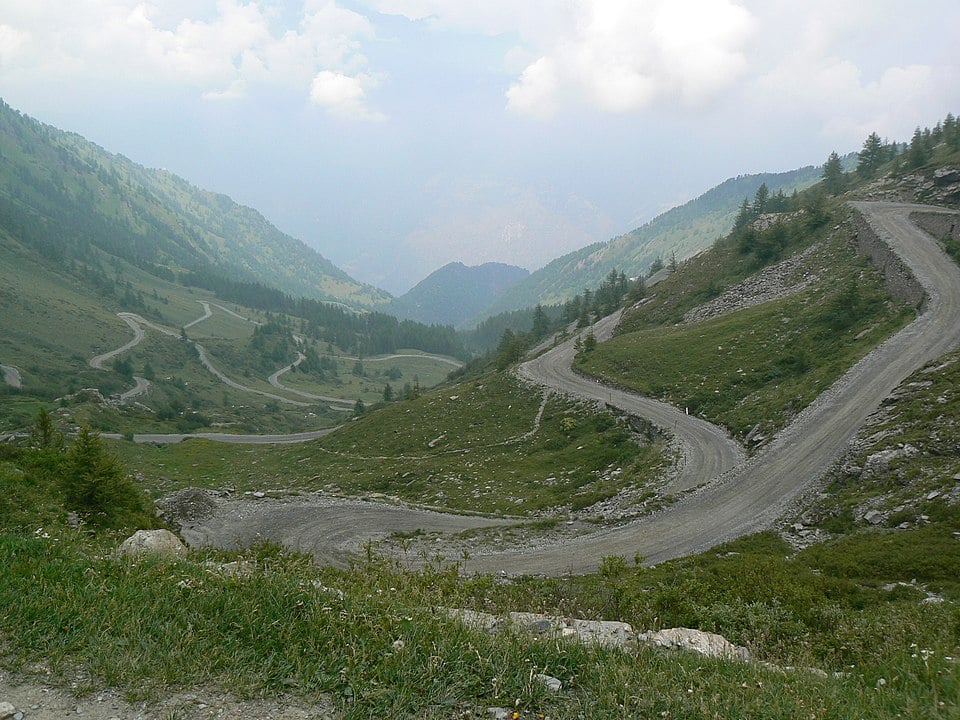
The Colle delle Finestre is unique among great climbs: the final 8 kilometers are unpaved white gravel - the famous 'strada bianca'. This transforms an already brutal 18.5km climb into something extraordinary.
When the Giro d'Italia comes here, the gravel section creates chaos. Bike handling becomes as important as climbing legs, and the dramatic images of riders struggling through dust and rocks have made Finestre legendary.
The climb itself would be significant even on tarmac - 9.2% average to nearly 2,200 meters. Add the gravel and you have one of cycling's most iconic challenges.
In 2018, Yates wore the Maglia Rosa from stage 6 only to lose everything on Finestre when Froome attacked; he finished the stage 38 minutes down. Seven years later, he turned the climb into his stage of triumph, winning the 2025 Giro with super domestique Wout van Aert by his side.
Monte Zoncolan
Italy · Friuli-Venezia Giulia (Carnic Alps)
- Length
- 10.1 km
- Avg
- 11.9%
- Max
- 22%
- Summit
- 1,730 m
- Gain
- +1,210 m
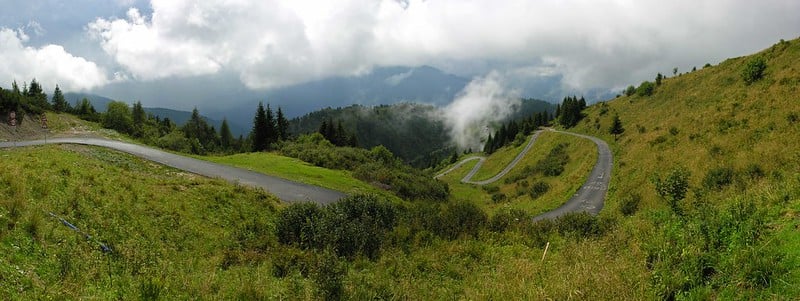
The Zoncolan from Ovaro is considered by many to be the hardest climb regularly used in professional cycling. The numbers are staggering: 10.1km at 11.9% average, with the final kilometers hovering between 15-22%.
What sets Zoncolan apart is the unrelenting nature. There's no recovery - just kilometer after kilometer of double-digit gradients through dense forest. The final ramp to the ski station is a wall that has broken countless Giro dreams.
The Giro d'Italia has featured Zoncolan as a summit finish multiple times, producing some of the race's most iconic moments. When the race arrives here, everything changes.
Mirador de Ézaro
Spain · Galicia
- Length
- 1.9 km
- Avg
- 14.8%
- Max
- 30%
- Summit
- 271 m
- Gain
- +264 m
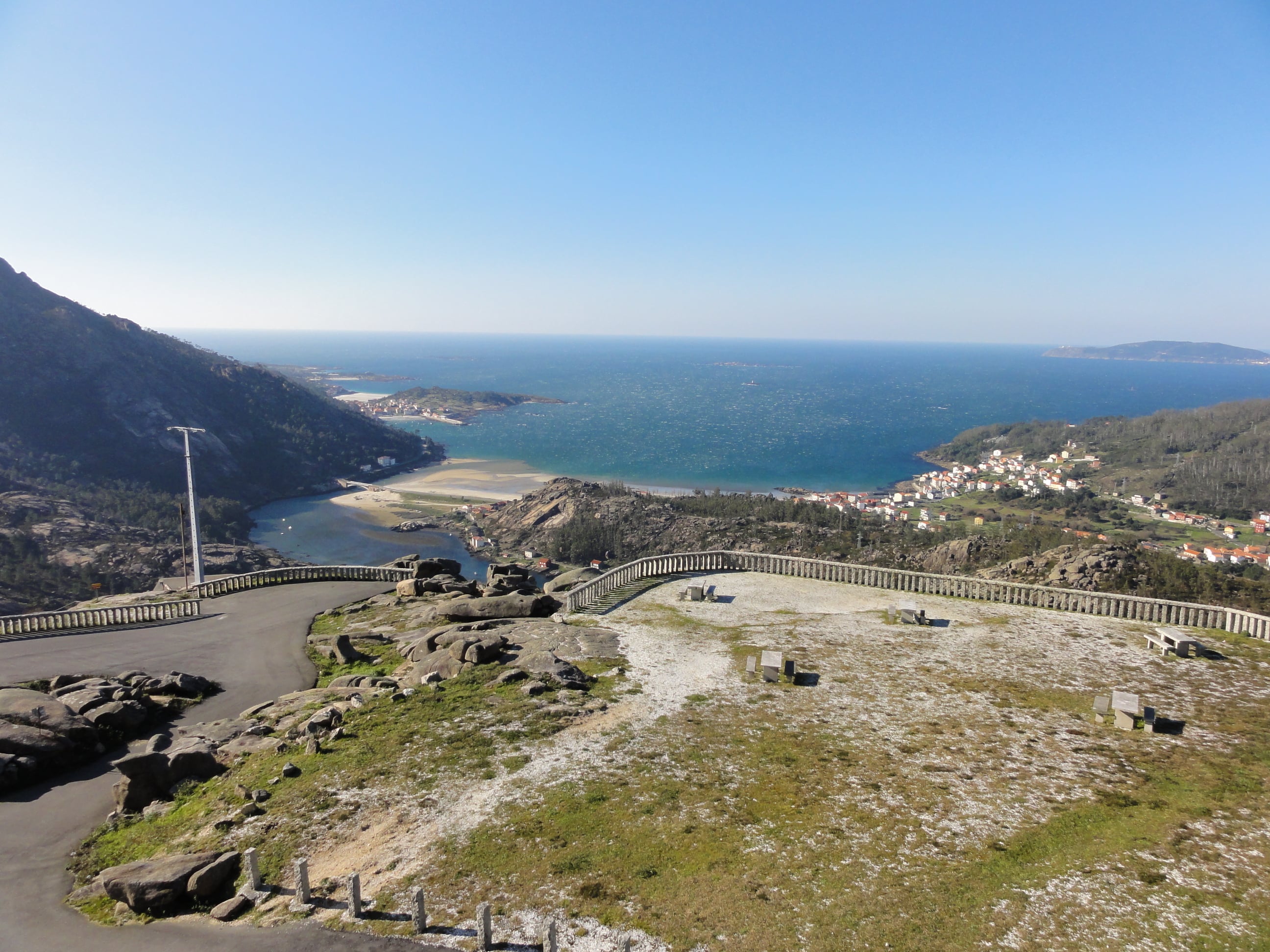
Starting at sea level beside the Xallas cascade - one of the few waterfalls in Europe that drops directly into the sea - the Mirador de Ézaro packs an incredible punch into just under 2 kilometres. The average of 14.8% doesn't tell the full story -the steepest ramps hit 30%.
The Vuelta a España has used this climb as a summit finish, and watching pros struggle on its savage gradients shows just how brutal it is. Short but devastating - a test of pure explosive power.
Alto de l'Angliru
Spain · Asturias
- Length
- 12.5 km
- Avg
- 10.1%
- Max
- 24%
- Summit
- 1,573 m
- Gain
- +1,266 m
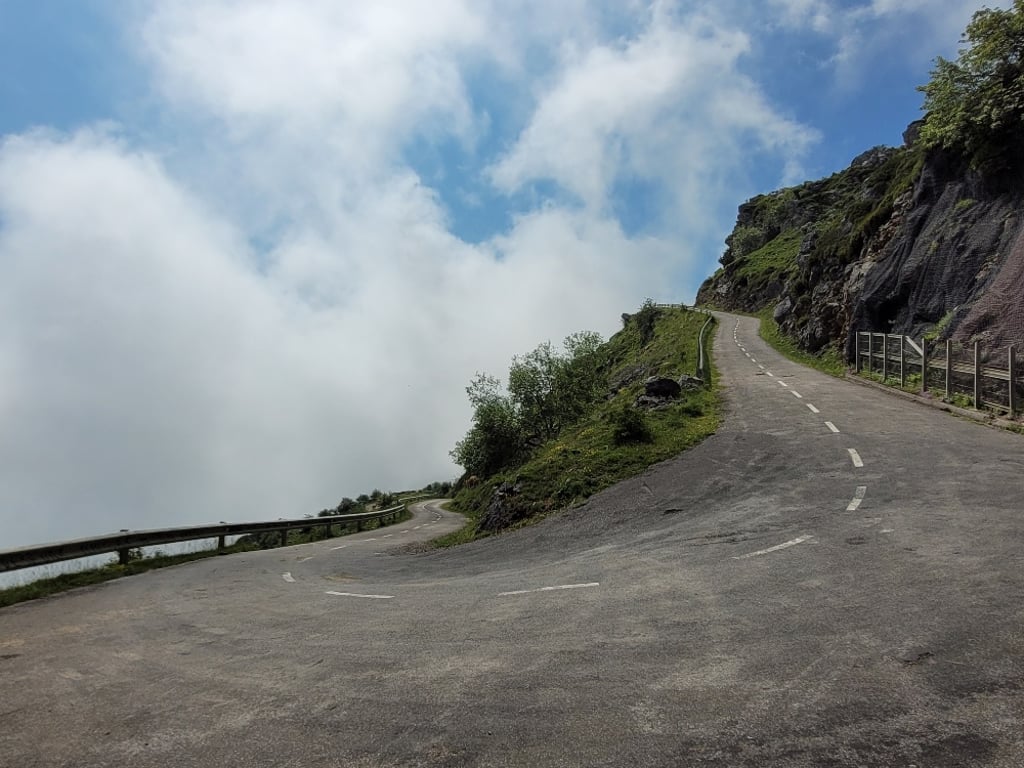
The Angliru is perhaps the most feared climb in professional cycling. The road was an old rural track through the Asturian hills, paved and opened for the 1999 Vuelta - and this monster averages over 10% for its entire 12.5km length, with the infamous 'Cueña les Cabres' section hitting 24%.
The Vuelta a España has made this climb legendary, with images of riders weaving across the road, some even walking. Sections like 'Les Picones' (20%), 'Cobayos' (21.5%), and the mind-boggling Cueña les Cabres have broken the best in the world.
When the Vuelta comes to Angliru, it's not about winning - it's about survival. The mountain dictates everything.
Muro di Sormano
Italy · Lombardy (Lake Como)
- Length
- 1.9 km
- Avg
- 15.8%
- Max
- 27%
- Summit
- 1,116 m
- Gain
- +300 m
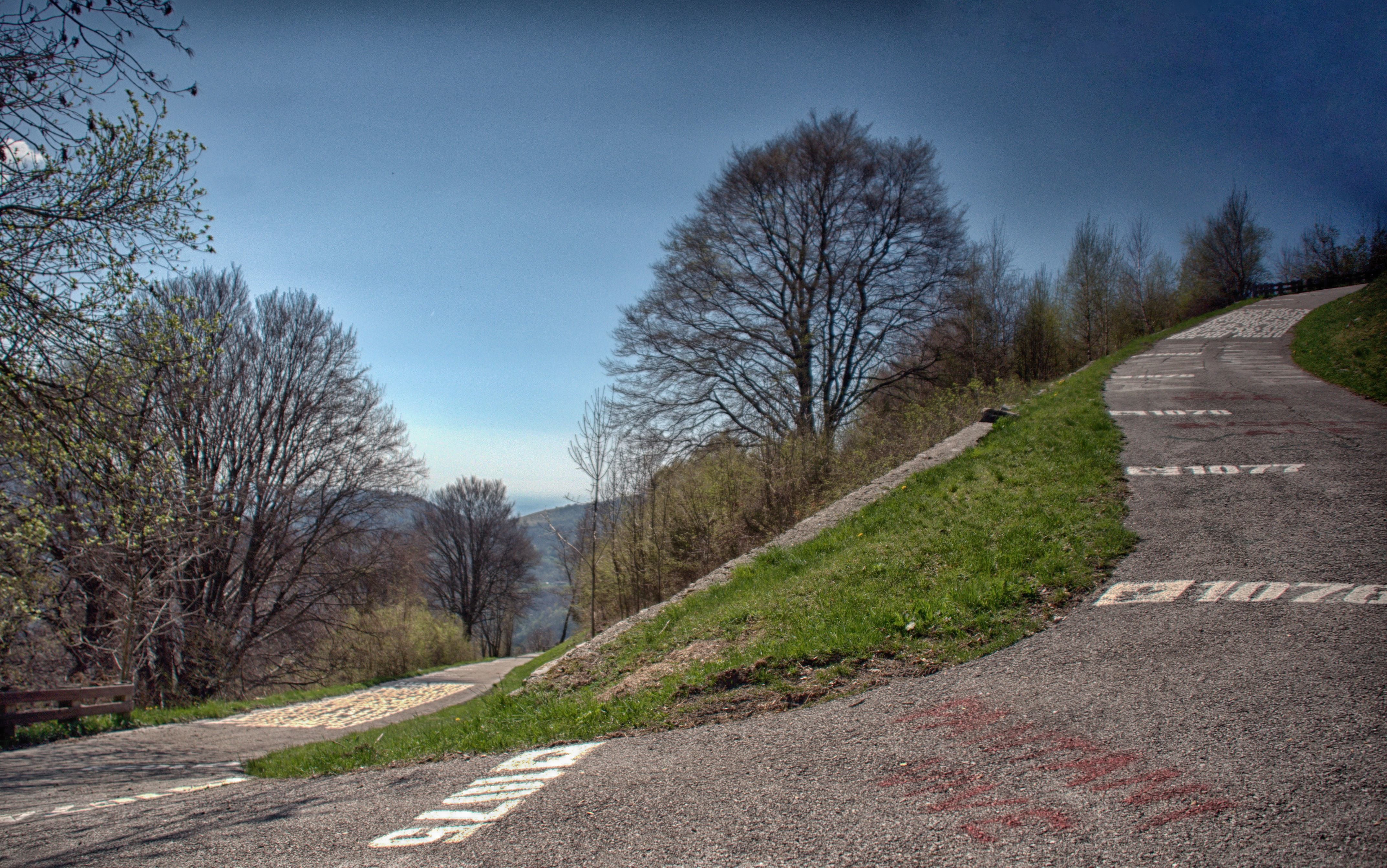
The legendary 'Wall of Sormano' was so brutal it was removed from Il Lombardia for over 50 years because riders couldn't handle it. Reopened and resurfaced, it remains one of cycling's most feared short climbs: 1.9km at 15.8% average with sections hitting 27%.
The narrow road winds through forest with no respite. Resurfaced in 2006, the smooth asphalt offers no excuses - even with modern gearing, many riders are forced to walk. When Il Lombardia returns here, it creates one of cycling's most dramatic selection moments.
Alpe Fuori
Italy · Piedmont (near Domodossola)
- Length
- 11.8 km
- Avg
- 13.7%
- Max
- 30%
- Summit
- 1,874 m
- Gain
- +1,709 m
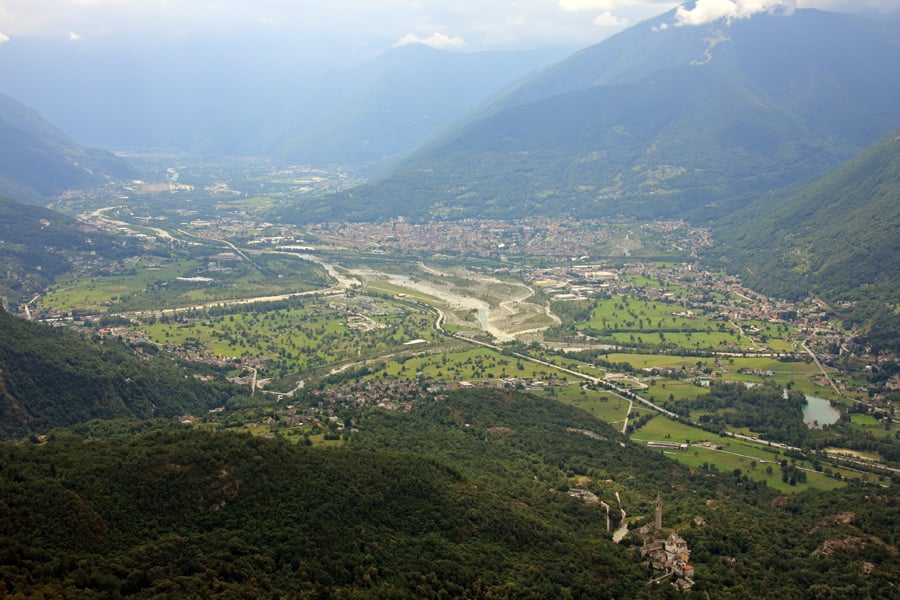
Alpe Fuori is one of the top 10 hardest cycling climbs in the world. Rising from near Domodossola in Piedmont, this 11.8km monster averages 13.7% with a full kilometre averaging 23% and ramps hitting 30%.
The road alternates between paved and gravel sections - a road bike is possible but a cross bike is recommended. The relentless gradient and challenging surface make this a true test of both fitness and bike handling.
Hardknott Pass
England · Lake District, Cumbria
- Length
- 2.2 km
- Avg
- 13.5%
- Max
- 33%
- Summit
- 393 m
- Gain
- +298 m
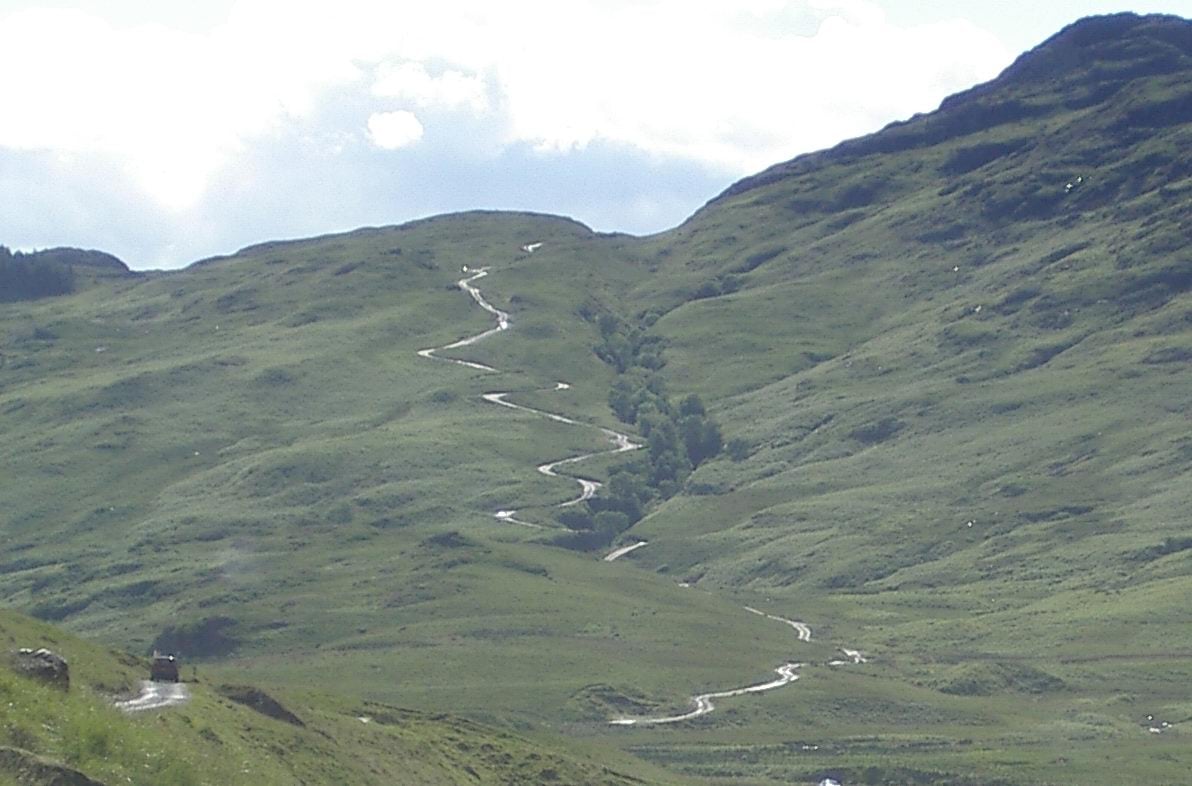
Hardknott Pass holds the distinction of being the steepest road in England -and one of the most feared. The 33% (1-in-3) maximum gradient, combined with rough tarmac, tight hairpins, and the ever-present Lake District weather, creates a formidable challenge.
Adding to the difficulty is the remoteness. Hardknott is in the heart of the Lake District with no easy bailout options. The cattle grids at the steepest points add a technical challenge to the physical one.
The double challenge: Hardknott is usually combined with Wrynose Pass for one of Britain's toughest cycling challenges. After Hardknott, even Wrynose's 25% feels like a relief.
Nebelhorn
Germany · Bavaria (Allgäu Alps)
- Length
- 7.3 km
- Avg
- 15.1%
- Max
- 31%
- Summit
- 1,928 m
- Gain
- +1,094 m
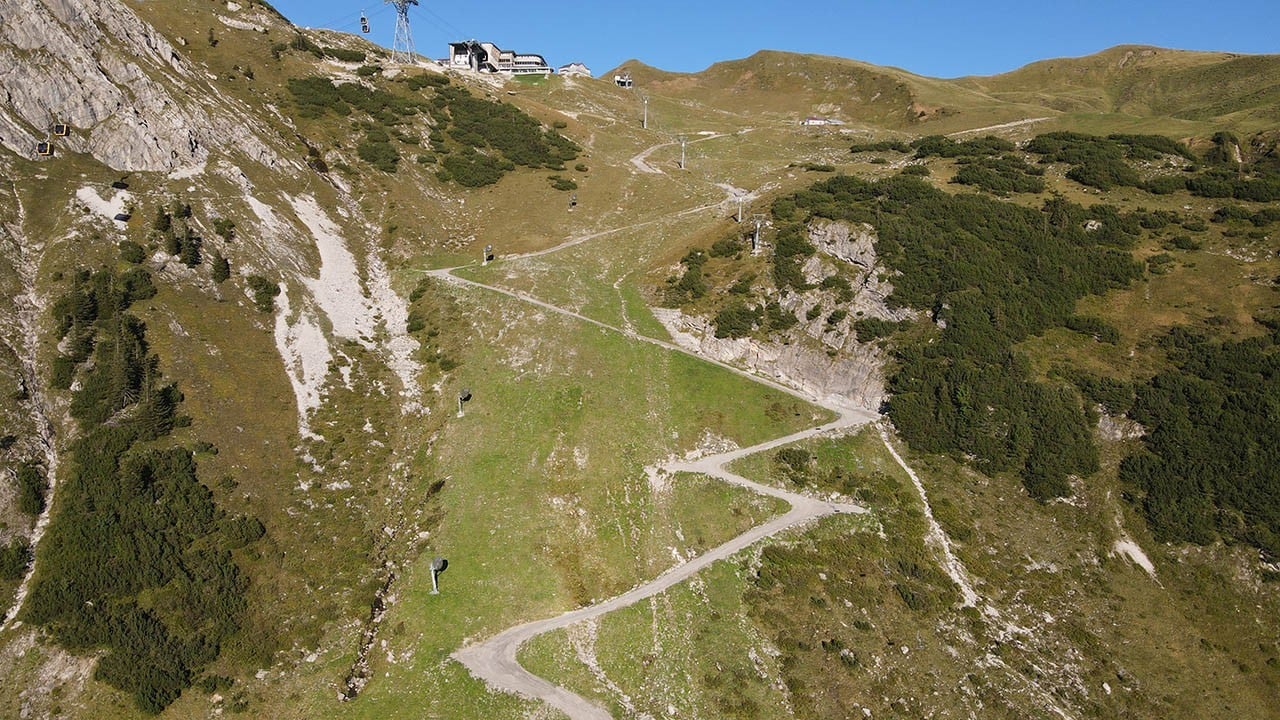
One of Germany's most brutal cycling ascents, the Nebelhorn road rises from Oberstdorf with relentless double-digit gradients. The 15.1% average over 7.3km puts it among the steepest extended climbs in the Alps.
The road was built to access the Nebelhorn cable car station, not for cycling, and it shows. The lower section is paved but narrow; the upper section beyond Seealpe becomes an unpaved hiking path with ramps exceeding 30%. A gravel or mountain bike is strongly recommended. The views across the Allgäu Alps are spectacular - if you can lift your head to see them.
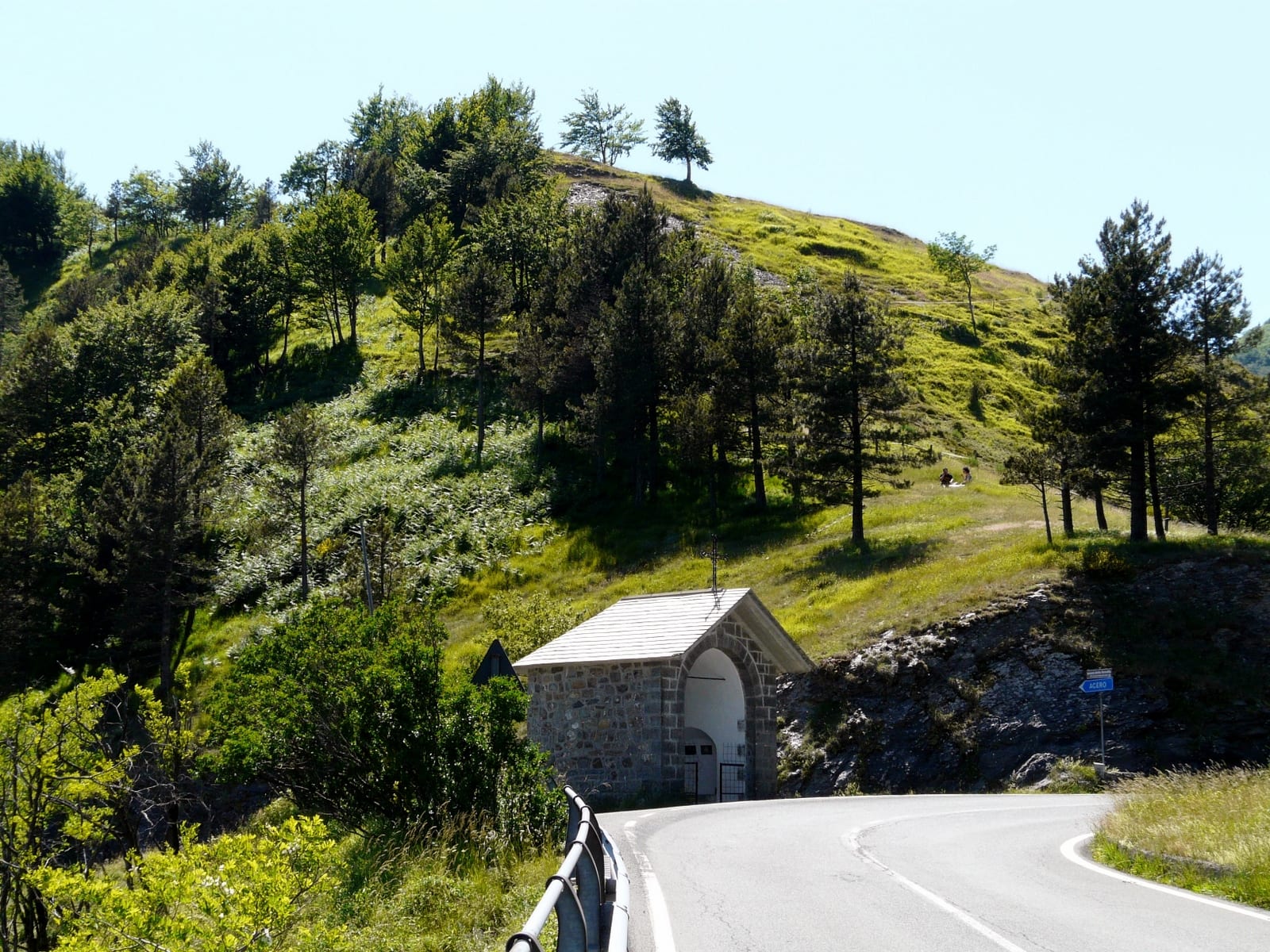
Passo della Forcella
Italy · Friuli-Venezia Giulia (Carnia, near Ovaro)
- Length
- 9.2 km
- Avg
- 14.4%
- Max
- 28%
- Summit
- 1,820 m
- Gain
- +1,305 m
Passo della Forcella is the steep sibling of Monte Zoncolan -same region, but with gradients that eclipse it. From Ovaro you head west instead of east to Zoncolan and quickly hit one of the world's hardest bike climbs: 9.2km averaging 14.4%, with the upper half from Mione at 17% and the final 1.1km on cement strips at 28% or more.
The Giro has never included Forcella -the road is too narrow, steep and fragile. The tornanti are incredibly tight; in the wet it's borderline dangerous. It consistently ranks among the world's hardest paved climbs and is widely regarded as Italy's toughest alongside Scanuppia and Pozza San Glisente. If you've done Zoncolan and want the same area with even more bite, this is it.
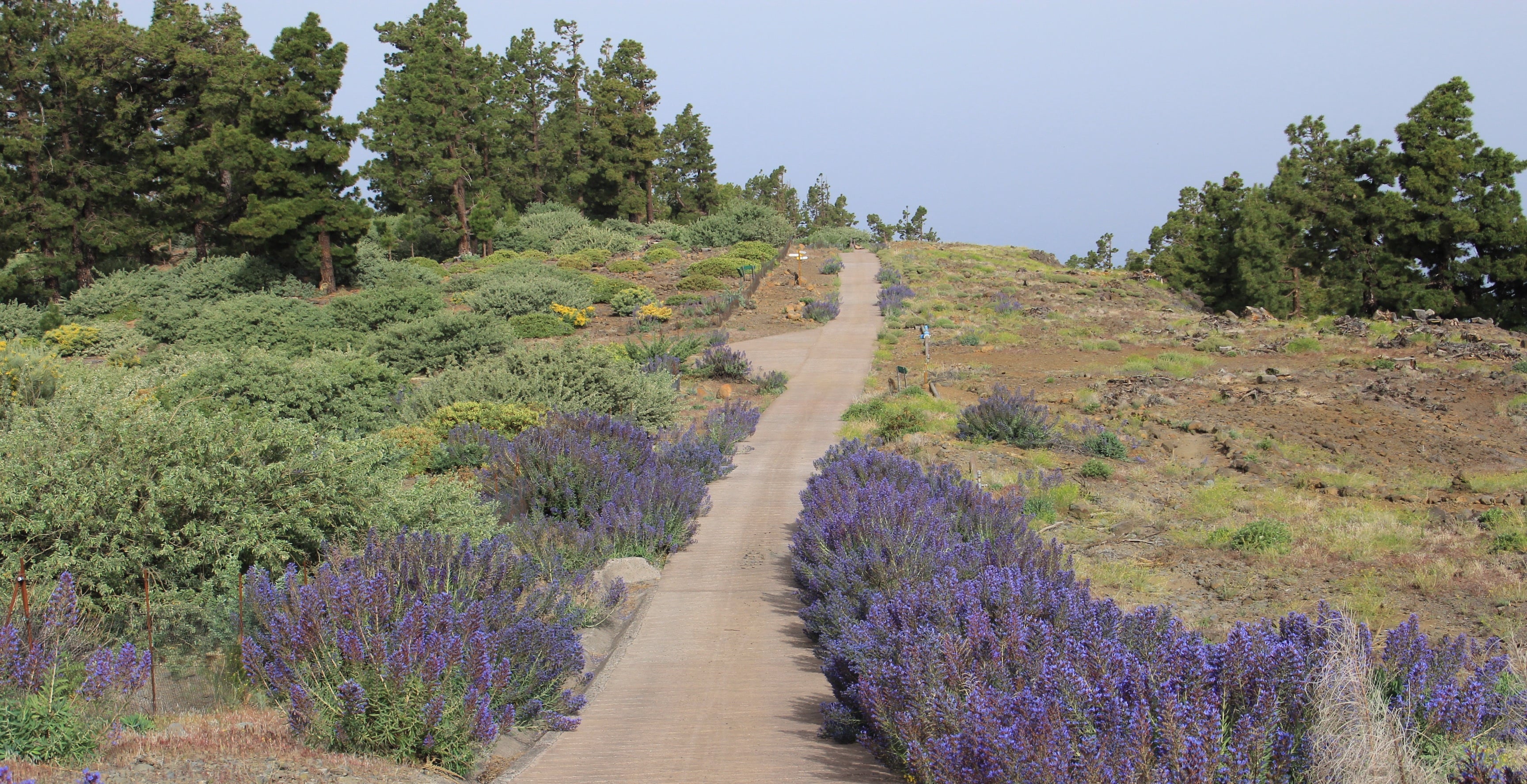
Llano de las Ánimas
Spain · La Palma, Canary Islands
- Length
- 10 km
- Avg
- 15.2%
- Max
- 30%
- Summit
- 2,029 m
- Gain
- +1,520 m
Llano de las Ánimas - the 'Plain of Souls' - lives up to its ominous name. This is one of the hardest road climbs in Europe, with a punishing 15.2% average over 10 kilometers. Unlike short, sharp ramps, this climb maintains its brutality for nearly an hour of suffering.
Located on the volcanic island of La Palma, the road rises through pine forests with ramps regularly exceeding 20%. The remote Canarian setting adds to the challenge. This is not a climb for the faint-hearted - even strong climbers will question their life choices multiple times.
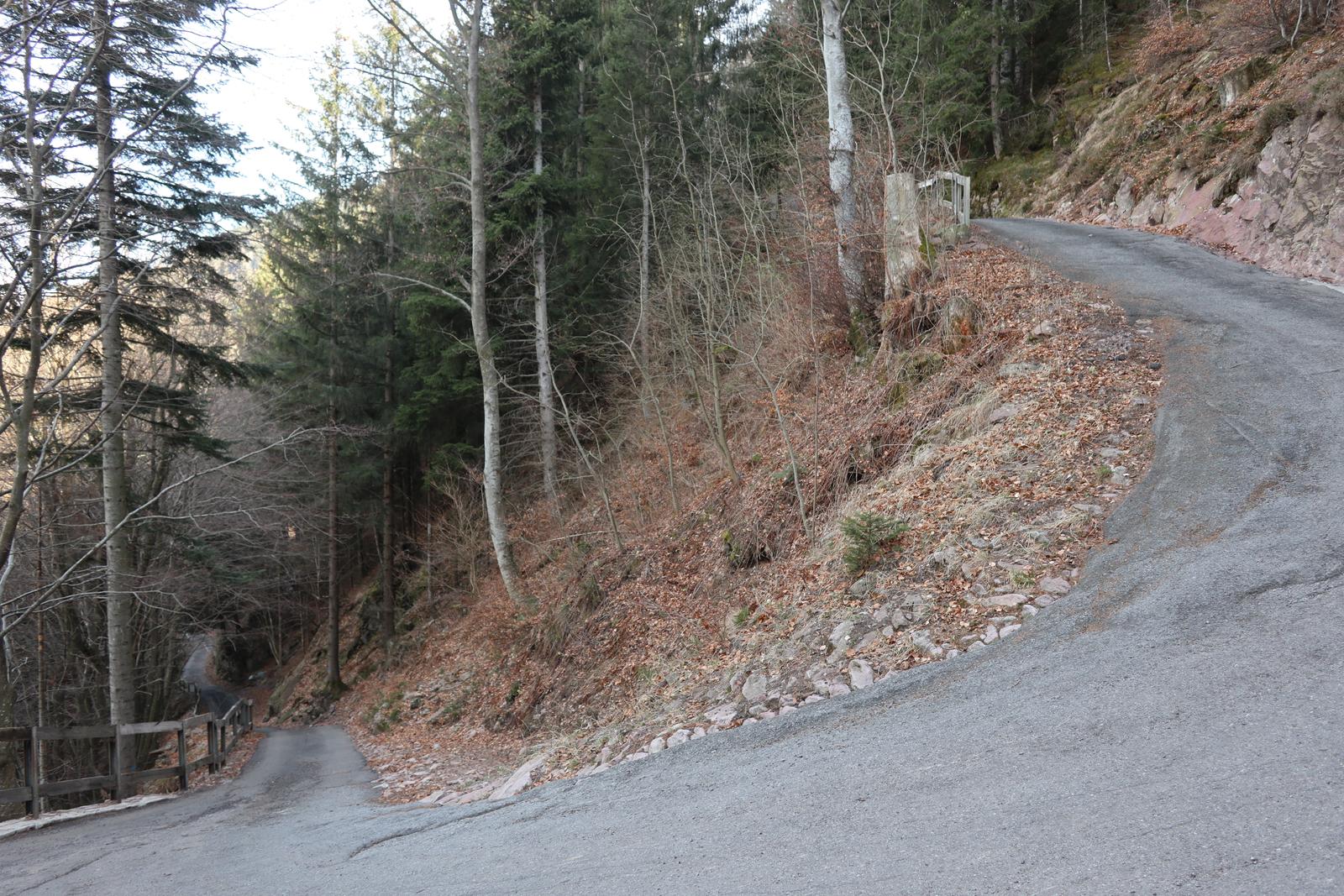
Pozza San Glisente
Italy · Brescia, Lombardy
- Length
- 8.3 km
- Avg
- 17.5%
- Max
- 35%
- Summit
- 1,747 m
- Gain
- +1,451 m
Pozza San Glisente rivals Scanuppia for the title of world's hardest climb. Rising from Esine in Brescia province, this beast averages an incredible 17.5% over 8.3km with sections hitting 35%. Some argue it's actually harder than Scanuppia.
The road features cement strips designed for agricultural access, and straying off the concrete means immediate failure. The relentless gradient and rough surface create a unique challenge - this is cycling at its most primal.
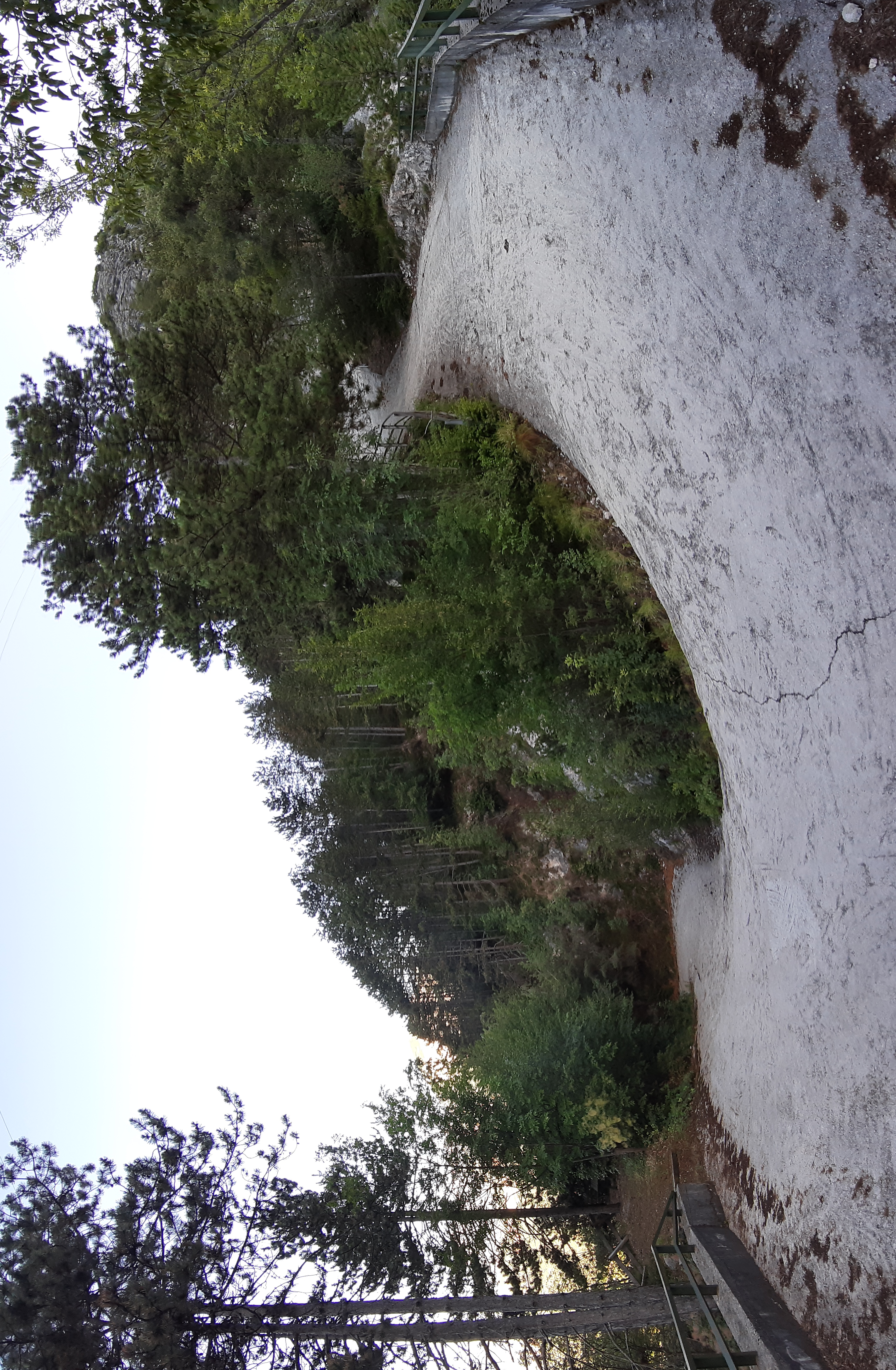
Scanuppia
Italy · Trentino (near Besenello)
- Length
- 7.4 km
- Avg
- 18.5%
- Max
- 36%
- Summit
- 1,390 m
- Gain
- +1,280 m
Scanuppia may be the hardest paved climb in the world. The statistics are staggering: 7.4 kilometers averaging 18.5% with the steepest sections in the 35–36% range. A 45% road sign appears on the climb, but measured gradients top out around 36% (the sign likely refers to the inside of the steepest hairpin). An extraordinary 34% of the climb sits at gradients of 20% or higher, with the steepest kilometre averaging 24%.
What makes Scanuppia uniquely brutal is the combination of extreme gradient and relentless elevation over a road that simply points at the sky. There's an eerie quality to climbing concrete strips laid directly on the mountainside, designed more for agricultural access than cycling.
Scanuppia holds records for the steepest paved kilometre (24%) and steepest 5 km (21.2%), and has become a cult destination for cyclists seeking the ultimate gradient challenge.
Honorable mentions
These climbs scored just below our top 50 cut-off. They're still among Europe's finest - and most demanding - cycling roads, and every one is a worthy challenge that belongs on any serious cyclist's bucket list.
Bealach na Ba
Brutality 126Scotland · Scottish Highlands (Applecross)
619m | 9.1 km | 6.8% avg | 20% max
Lysebotn
Brutality 126Norway · Rogaland
835m | 8.7 km | 9.6% avg | 15% max
Rossfeld Panoramastrasse
Brutality 125Germany · Bavaria (Berchtesgaden)
816m | 8.5 km | 9.6% avg | 20% max
Puerto de Ancares
Brutality 124Spain · Galicia/León border
1,245m | 15 km | 8.3% avg | 18% max
Passo dello Spluga
Brutality 124Italy/CH · Lombardy/Graubünden
1,757m | 30.3 km | 5.8% avg | 13% max
Grossglockner
Brutality 124Austria · Hohe Tauern, Salzburg / Carinthia
1,183m | 21.5 km | 5.5% avg | 12% max
Plateau de Beille
Brutality 124France · Ariège, Pyrenees
1,248m | 15.8 km | 7.9% avg | 11% max
Hahntennjoch
Brutality 123Austria · Tyrol
1,075m | 12.8 km | 8.4% avg | 17% max
Puy de Dôme
Brutality 123France · Chaîne des Puys, Auvergne
1,057m | 13.3 km | 7.7% avg | 13% max
Col d'Aubisque
Brutality 123France · Pyrenees (Pau–Laruns)
1,195m | 16.6 km | 7.2% avg | 13% max
Passo Fedaia
Brutality 121Italy · Dolomites (Trentino/Veneto)
994m | 14 km | 7.1% avg | 18% max
Col de Turini
Brutality 121France · Alpes-Maritimes
1,193m | 15.3 km | 7.8% avg | 14% max
Alto de Velefique
Brutality 121Spain · Andalusia (Almería)
1,400m | 18.2 km | 7.7% avg | 14% max
Serra da Estrela
Brutality 121Portugal · Central Portugal
1,600m | 25 km | 6.4% avg | 12% max
Col de l'Iseran
Brutality 120France · Savoie (French Alps)
978m | 13.4 km | 7.3% avg | 10% max
Vršič Pass
Brutality 120Slovenia · Julian Alps (Kranjska Gora–Bovec)
900m | 12 km | 7.5% avg | 14% max
Lagos de Covadonga
Brutality 119Spain · Picos de Europa, Asturias
869m | 12.6 km | 6.9% avg | 15% max
Timmelsjoch
Brutality 118Austria/Italy · Tyrol/South Tyrol
1,445m | 28.9 km | 5% avg | 14% max
Col d'Izoard
Brutality 116France · Hautes-Alpes
1,133m | 19.2 km | 5.9% avg | 12% max
Grimsel Pass
Brutality 115Switzerland · Bern/Valais
1,525m | 26.3 km | 5.8% avg | 10% max
Grosse Scheidegg
Brutality 115Switzerland · Bernese Oberland (Grindelwald–Meiringen)
1,006m | 14.8 km | 6.8% avg | 15% max
Trollstigen
Brutality 113Norway · Møre og Romsdal
858m | 5.5 km | 8% avg | 12% max
Sa Calobra
Brutality 112Spain · Sierra de Tramuntana, Mallorca
682m | 9.4 km | 7.1% avg | 12% max
Superbagnères
Brutality 108France · Haute-Garonne (Pyrenees)
1,170m | 18 km | 6.5% avg | 12% max
Preparing for hard climbs
These climbs demand specific preparation - and different challenges require different approaches. Here's what you need to know:
Gearing for steep gradients
Forget your standard compact. For gradients above 20%, you need the lowest gears you can get. A 34x34 is a minimum; many riders prefer 32x34 or even lower. Mountain bike cassettes (11-36 or larger) with appropriate derailleurs are increasingly popular for these extreme climbs.
Altitude acclimatization
Above 2,000 meters, the thin air significantly impacts performance - expect to lose 10-15% of your power output. If you're targeting high-altitude passes like Stelvio, Bonette, or Col de la Loze, spend a few days at altitude beforehand if possible. Stay hydrated, start conservatively, and accept that everything will feel harder than the gradient alone suggests.
Technique
Seated climbing becomes essential on steep gradients. Standing puts more power down but also lifts your front wheel - on 20%+ gradients, you risk losing traction or simply flipping backwards. Stay seated, keep your weight forward, and maintain a steady cadence. Zigzagging across the road is acceptable on quiet roads and can make 25%+ gradients more manageable.
Building endurance
Long climbs like Stelvio, Roque de los Muchachos, or Passo Manghen aren't about peak power - they're about sustainable output over 1-2+ hours. Train with long, steady efforts at tempo pace. Practice eating and drinking while climbing. Mental endurance matters as much as physical: break the climb into segments and focus on one section at a time.
Weight
Every gram counts on these climbs. Leave the repair kit in your jersey pocket rather than a saddle bag. Consider lighter wheels and tires if you can. And most importantly - work on your own weight. The power-to-weight ratio is never more important than on a 20% gradient.
Pacing
Start slower than you think you should. These climbs don't reward heroics - they punish them. A sustainable effort from the bottom will always beat an explosive start followed by a death march. Use a heart rate monitor or power meter to keep yourself honest.
How we ranked these climbs
We created a Brutality Score to bring some objectivity to this inherently subjective exercise. The formula weighs multiple factors that contribute to a climb's difficulty:
📏 Length (capped at 30km)
Long climbs test endurance, but we cap this at 30km to prevent ultra-long gentle climbs from dominating. A 40km grind matters, but not more than savage gradient.
📐 Average Gradient (×5)
The biggest single factor. An 11% average is a different beast than 7%. This reflects the sustained suffering across the entire climb.
⚡ Maximum Gradient (×1.5)
Those brutal ramps that make you question everything. A lower multiplier than average gradient because a 45% spike hurts differently than sustained 20%.
⛰️ Elevation Gain (×0.01)
Total meters climbed. The psychological weight of seeing "1,800m to go" on your GPS is real. Also correlates with altitude effects above 2,000m.
🏆 Fame Factor (×3, 1-10)
Grand Tour history, iconic status, and cultural significance. The Alpe d'Huez crowds and Stelvio's mystique add to the experience - for better or worse.
🌶️ Special Sauce (×5, 1-10)
The intangibles that make a climb harder than the numbers suggest. Each climb is tagged with specific factors:
The honest disclaimer: Any ranking system is flawed. A skinny climber will find the steep ramps easier than a powerful diesel who crushes long alpine drags. Weather changes everything - Angliru in mist is a different climb than Angliru in sunshine. And frankly, the climb that broke you is always the hardest climb, regardless of what any formula says.
We ran the numbers because it's fun, not because we think we've solved cycling difficulty. If your favorite brutal climb is ranked "too low" - you might be right. Go ride it and report back. 🚴
Final thoughts
From the Grand Tour monsters of Zoncolan and Angliru to the cobbled chaos of the Koppenberg, from Scottish Highland passes to Canarian volcanic roads, Europe offers an incredible diversity of brutal climbs. Each demands something different: pure power on the steep ramps, mental fortitude on the endless switchbacks, technical skill on the cobbles, and altitude resilience on the highest passes.
These 50 climbs represent the continent's most demanding roads - places where gradients become walls and even the strongest riders question their choices. Some are famous from Grand Tour broadcasts; others are hidden gems known only to local cyclists. All will test your fitness, equipment, and determination to the limit.
You'll probably walk at some point. That's fine - these are roads that have broken professional cyclists. There's no shame in admitting they're hard. What matters is that you tried, that you pushed yourself beyond what seemed possible, and that you experienced cycling at its most fundamental: just you, your bike, and gravity.
Pick one from the list. Train for it. Go climb it. And then pick another.
Hendrik Bulens
The average cyclist exploring cycling routes worldwide, particularly in Andalucía, Spain. Sharing expert guides on scenic bike routes for regular cyclists planning their next adventure.
Related Articles

50 brutal climbs in Europe
Savage gradients, endless kilometers, lung-crushing altitude, and treacherous cobbles - here are 50 killer climbs that you may (not) want to put on your bucket list.

The legendary cols of the Tour de France
15 iconic climbs that define the Tour: where history was made, stats that matter, the route to the top, and how to get there. From the Tourmalet to Alpe d'Huez, Galibier to Ventoux.

Top 5 cycling routes in Girona
Discover the best cycling routes in Girona for your next holiday. Scenic climbs, quiet roads, and unforgettable rides in Catalonia's cycling paradise.